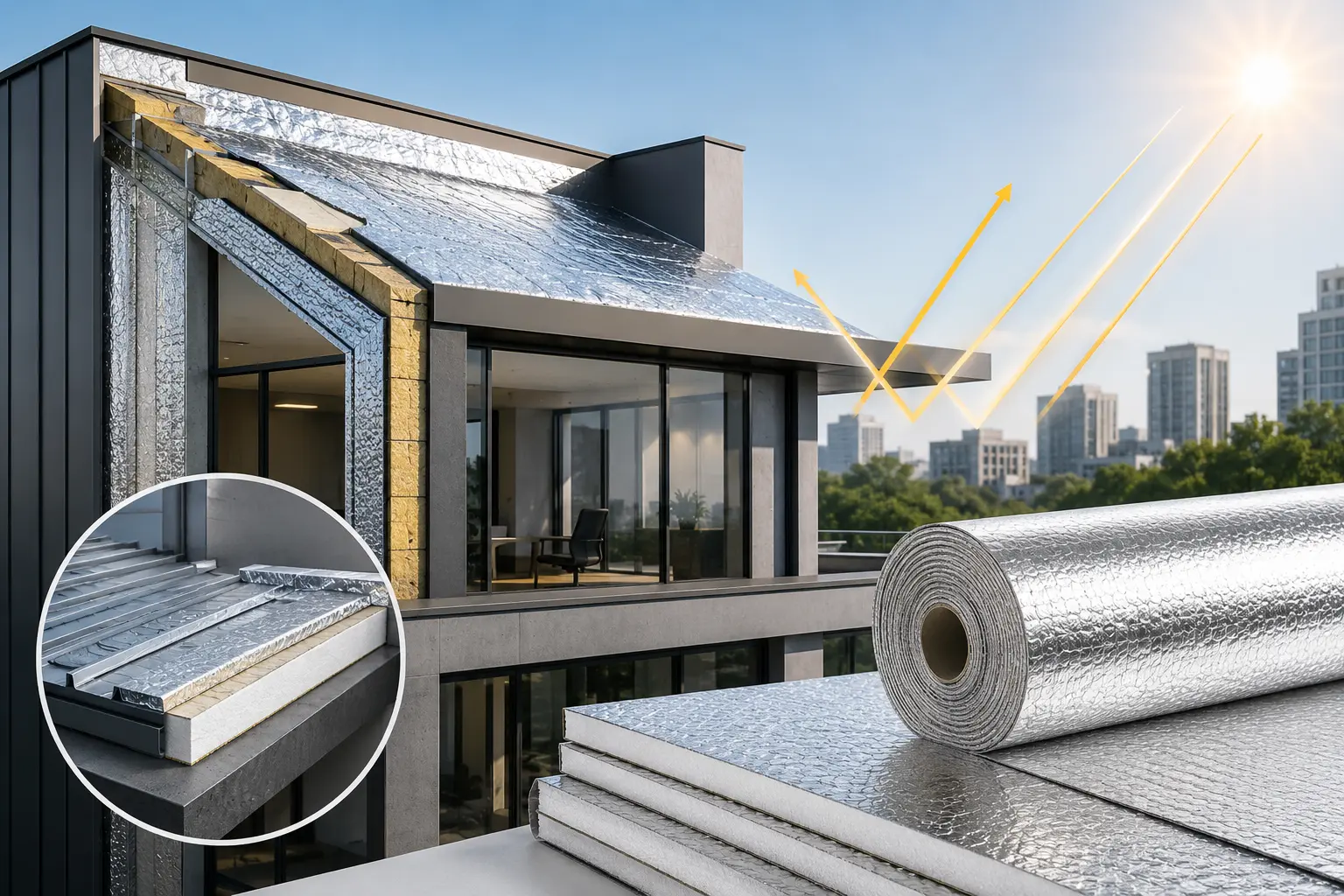
This detailed guide by Kanpack Thermal Insulations delves into the science of reflective insulation, its benefits, applications, and the selection of the most ideal thermal barrier system for you.
Understanding Heat Transfer: Why Traditional Insulation Isn't Always Enough
In order to comprehend why reflective insulation works as effectively as it does, one should take into consideration three mechanisms of heat transfer:
Conduction
Heat transfer through direct physical interaction between two solids (for example, heat transfer within a concrete slab or steel beam).
Convection
Heat transfer via movement of liquids or gaseous substances (for example, heat transfer through hot air which rises upwards in an attic or warehouse).
Radiation
Heat transfer via electromagnetic waves without the necessity for medium. Sun heating a roof of a building is an example of radiation heat transfer.
Traditional bulk insulation—such as fiberglass, stone wool, and cellulose, is formulated to prevent conductive and convective heat flow. This works similar to how a sponge works where it traps the heat and inhibits its passage through roofs and ceilings. On the other hand, on hot sunny days, 90 percent of the heat gained by the roof can be radiant heat.
Once the roof surface absorbs this radiant heat, it becomes a radiator, radiating the heat downwards into the attic, warehouse, or any occupied space below it. The bulk type of insulation will absorb heat until it gets saturated and then start emitting the heat inwards. Heat Reflective Insulation, on the other hand, reflects radiant heat on its surface, reflecting up to 97 percent of the radiant heat.
How Heat Reflective Insulation Works
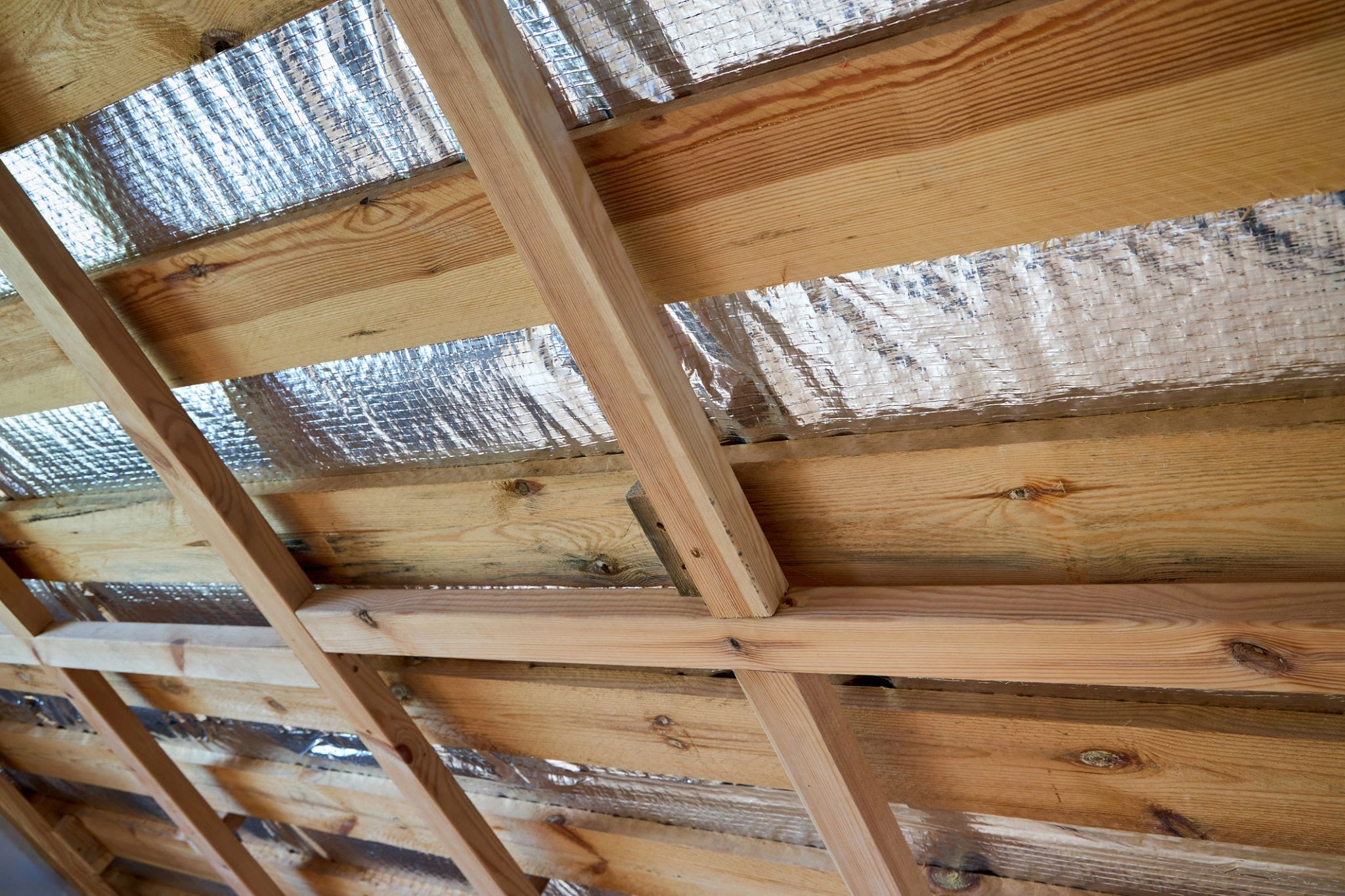
Heat reflecting insulation (also called radiant barrier insulation) is normally made up of a thin layer of highly reflective aluminum foil that is laminated on core substrates such as polyethylene bubble film, closed-cell foam, or woven polyethylene film.
The physics involved in the working of this insulation is based on two basic thermal properties:
Reflectivity
High-quality aluminum foil has reflectivity as high as 95% to 97% of the radiant heat rays.
Low Emissivity (Low-E)
The level of emissivity determines the amount of thermal radiation that is emitted by any surface. Normal roofing systems (such as aluminum sheets or asphalt) have very high emissivity and therefore emit 90% of the heat energy absorbed within them. The emissivity of the heat reflecting insulation surfaces is as low as 0.03 to 0.05.
This combination of a reflective barrier along with an air gap allows Kanpack Thermal Insulations’ products to keep out the radiant heat before it enters the building envelope system.
Key Benefits of Using Reflective Thermal Insulation
Installing high-quality reflective barriers brings a lot of benefits in the future for both operations and environmental performance in residential, commercial and industrial environments.
1. High Energy Efficiency & Lower Utility Costs
The process of blocking heat from penetrating through roof and walls during summer months and holding back the heat inside during winter makes reflective insulation decrease the burden on air conditioners and heating system. The facilities that use the radiant barriers always save 15% to 35% of the cost for cooling their premises.
2. Increased Comfortability of Indoor Climate
In warehouses, factories and agricultural sheds, when it is not economical to install a complete HVAC air conditioning system, reflective insulation allows maintaining much lower indoor temperature compared to outdoor one, creating a safer and more comfortable climate for employees.
3. Water Barrier & Condensation Prevention
Many products of Kanpack Thermal Insulations have the ability to work as a vapor barrier. When it is installed correctly with all its joints sealed, it prevents humid air from contacting with the cold metal surface, preventing condensation, corrosion and mildew.
4. Light-Weight Design
Fiber insulation materials need thick layering to have a high level of thermal resistance (R-value). Installing this insulation takes much ceiling height and wall space. In case of reflective insulation the thermal protection becomes very efficient at very thin layer.
5. Durability, Safety & Maintenance-Free
Unlike traditional fiber-based insulations, which tend to sag, deteriorate, absorb water or emit harmful airborne fibers, aluminum based reflective insulation is non-toxic, non-fibrous, tear-resistant and durable.
Key Industrial & Commercial Applications
Reflective thermal insulation is versatile and suitable for a wide range of building designs and logistics uses:
| Application Sector | Typical Installation | Key Advantage |
|---|---|---|
| Industrial Warehouses | Under-deck roof lining, PEB (Pre-Engineered Buildings) | Dramatically lowers indoor ambient temperature, protects temperature-sensitive stock. |
| Commercial Buildings | Suspended ceilings, exterior wall cavities | Cuts HVAC operational costs and improves overall building energy ratings. |
| Cold Chain & Logistics | Thermal pallet covers, container liners | Prevents thermal spikes during transportation of pharma, food, and perishables. |
| Agricultural Buildings | Poultry farms, livestock sheds, greenhouses | Reduces heat stress on animals and stabilizes interior growing environments. |
| Residential Roofing | Attic rafter underside, under-metal roof sheets | Keeps living spaces cool and reduces central air conditioning run times. |
Types of Reflective Insulation Offered by Kanpack Thermal Insulations
Choosing the optimal thermal insulation product should depend on the structural design of your project and weather conditions. The company Kanpack Thermal Insulations offers engineering of the products according to particular building requirements:
Single/Double Bubble Reflective Insulation
It is a combination of one or two layers of polyethylene air bubble film laminated between aluminum or metalized film sheets. The air bubbles form a thermal barrier to prevent heat conduction, and the foil sheets reflect heat radiation.
Best for: PEB structures, commercial roofs, warehouses, and crawl spaces.
XLPE Foam Reflective Insulation
It is a combination of cross-linked polyethylene (XLPE) foam with a reinforced aluminum foil facing. The dense foam structure makes it highly sound-absorbent along with being a good conductor of heat and high-reflectivity aluminum facing.
Best for: Industrial roofs, HVAC ducts, and areas with high moisture.
Radiant Barrier Foil Membranes
It is a high-strength tear-resistant woven fabric laminated with pure aluminum foil on one or both sides of it. It is lightweight and easy to handle around structural beams.
Best for: Retrofits of attics, walls wrapping, and thermal packaging applications.
Best Practices for Installation
In order to have your heat reflective insulation working to its best advantage, follow these crucial guidelines:
- Maintain Air Space: To be effective, radiant barriers should have an open air space (minimum of 0.75 inches or 1 inch) in front of reflective foil layer. Otherwise, the material becomes a heat conductor without any reflection.
- Seal All Seams and Joints: Cover all seams, overlaps, and punctures with high-quality aluminum foil tape. It will help to create a continuous barrier against radiant and vapor penetration.
- Prevent Dust Accumulation: On a horizontal installation, try to make the reflective side of the material to be on the lower part of the roof. Accumulation of dust on it will affect the reflectivity of the material.
- Account for Ventilation: Your roof space or attic should have enough ventilation that will help to release hot air, while the barrier reflects radiation outwardly.
Why Choose Kanpack Thermal Insulations?
Here at Kanpack Thermal Insulations, we pride ourselves in providing premium-quality thermal insulating materials designed to be robust, sustainable, and heat resistant.
- Advanced Manufacturing: Manufactured with high-end laminating processes that offer maximum bonding strength and longevity.
- Customized Solutions: We make custom products ranging from bubble foil rolls to XLPE foam sheets and other cold chain packaging materials to suit your needs.
- Tested & Certified Quality: Manufactured to meet international standards of heat resistance, fire protection, and tensile strength.
Upgrade Your Thermal Efficiency with Kanpack Today
Save your building from heat, reduce your cooling costs, and increase comfort indoors with our innovative products by Kanpack Thermal Insulations. Contact our technical sales team right now to get samples or a quotation.
Contact Now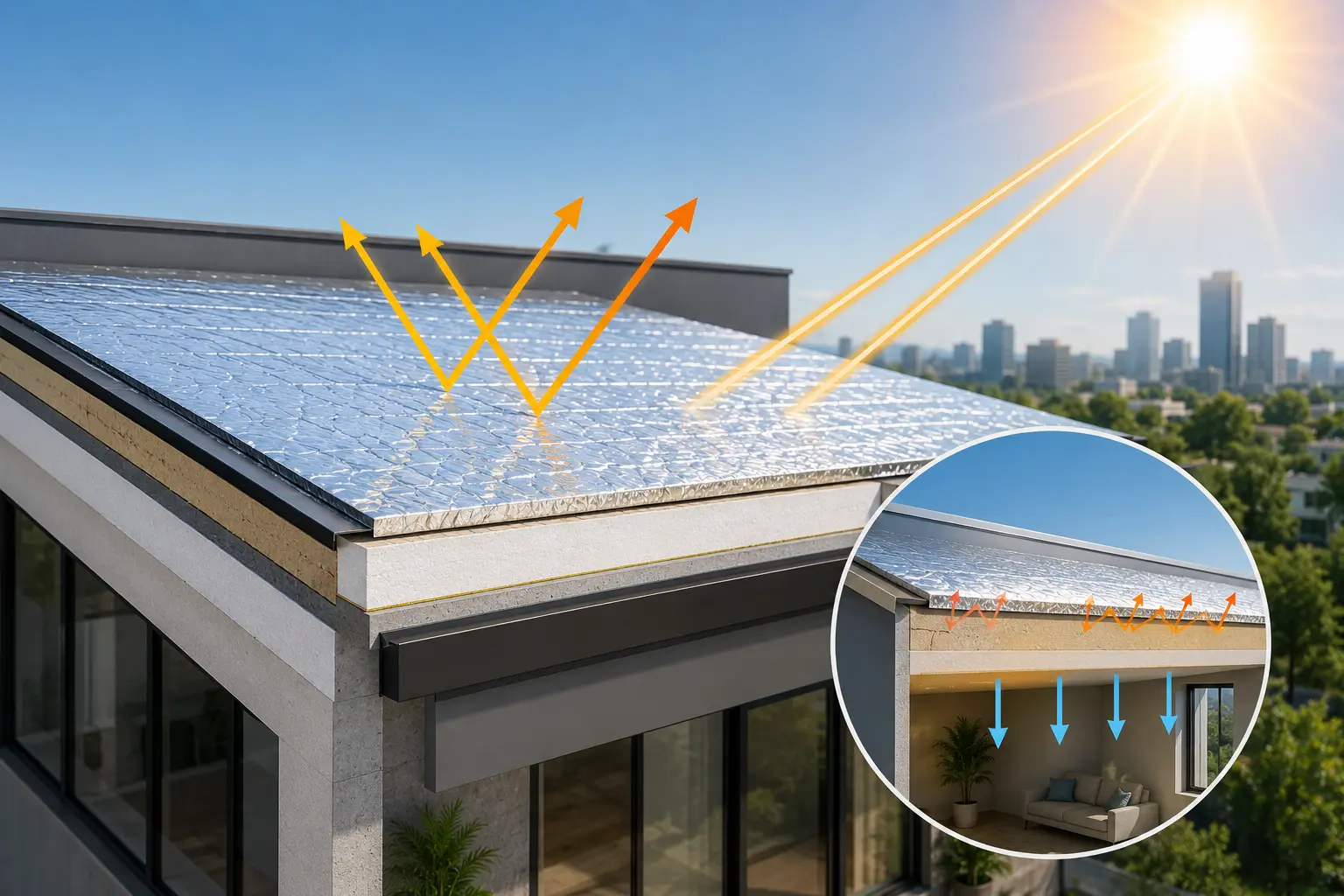
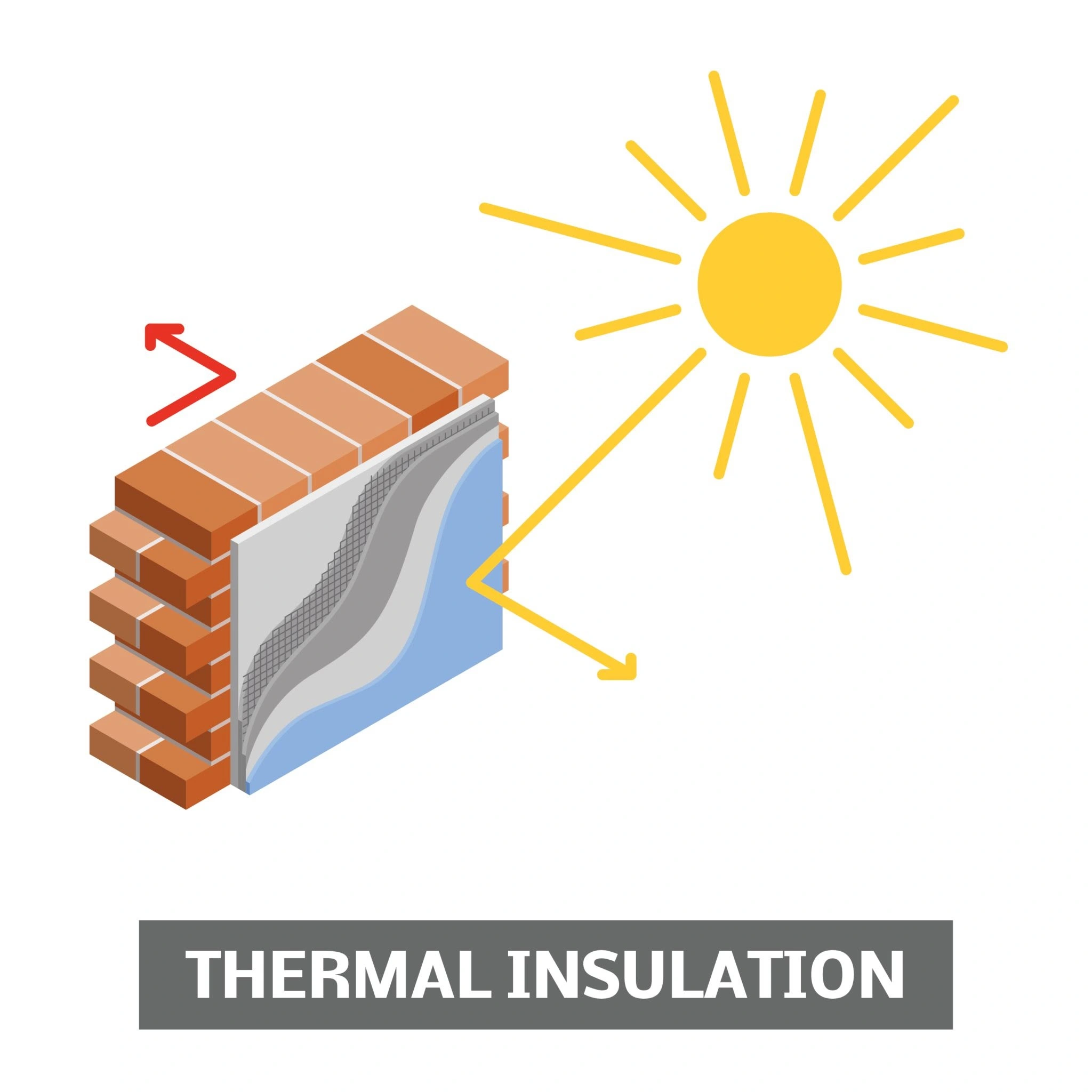

Under conditions of extreme heat in areas where the main source of heat is solar radiation, reflective insulation can serve as a substitute. However, in areas of cold climate with harsh winters, it is best to combine reflective insulation with bulk insulation.
Yes. Although the key advantage of such insulation is that it reflects heat from the outside in summer, it reflects heat from inside in winter.
Properly installed inside the structure, reflective insulation provided by Kanpack Thermal Insulations will perform well and last for many years.