Buildings in India face different temperature challenges throughout the year. During summer, metal roofs, industrial sheds and commercial buildings can become extremely hot, making indoor spaces uncomfortable. In winter, unwanted heat loss can also affect indoor comfort. These challenges make choosing the right insulation material an important part of building planning.
An Air Bubble Insulation Sheet is one solution that is increasingly used in residential, commercial and industrial buildings. Its lightweight structure, reflective surface and trapped air pockets help reduce heat transfer when installed correctly.
But how does this material work? Where can it be used, and how do you choose the right Thermal Insulation Sheet for your requirements?
Let's explore these questions in detail.
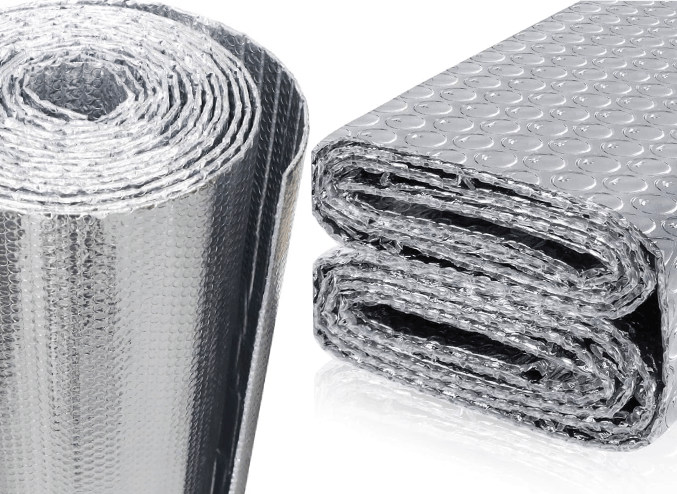
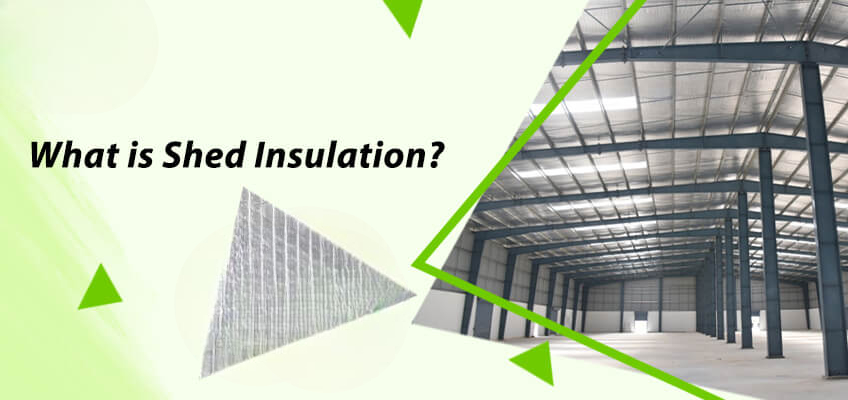
An air bubble insulation sheet is a lightweight insulation material generally manufactured using polyethylene air bubble layers combined with a reflective aluminium foil or metallised surface.
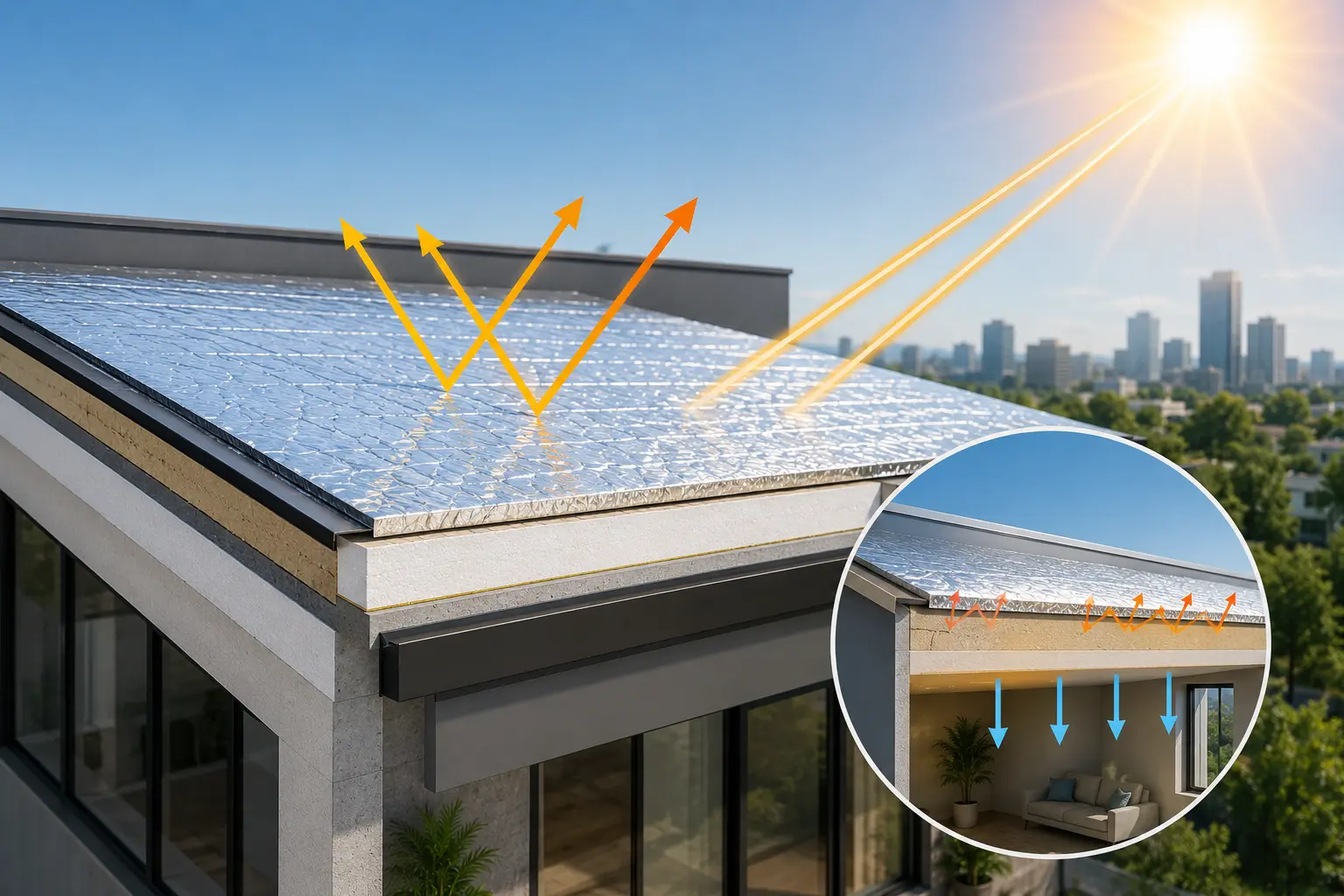
The material works through a combination of reflective and insulating properties. The reflective surface helps reduce radiant heat transfer, while the enclosed air pockets slow down heat movement through the material.
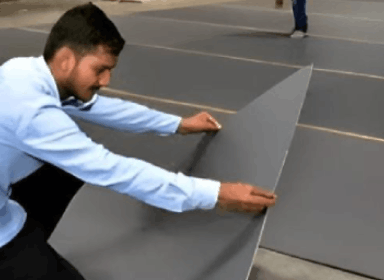
Unlike bulky traditional insulation products, air bubble insulation is flexible and relatively easy to handle. It can be used in different building structures, particularly where lightweight insulation is preferred.
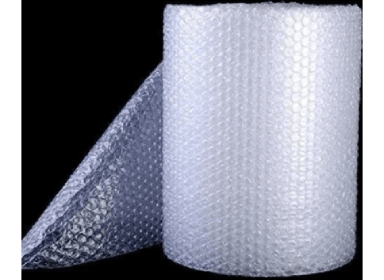
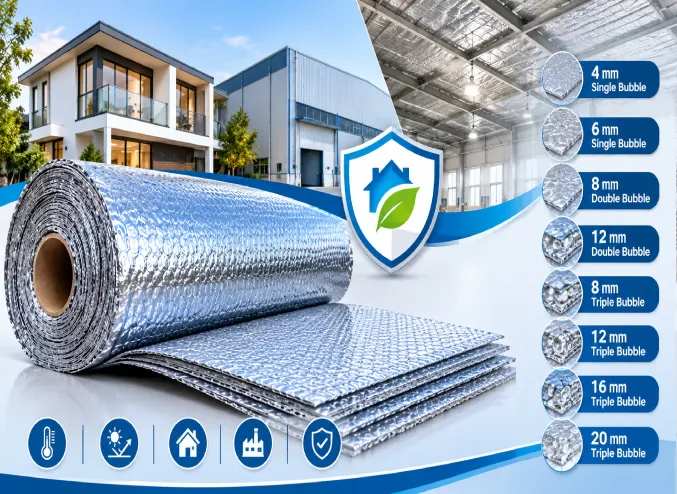
Depending on the product construction, these sheets are available in single-bubble, double-bubble and multi-layer configurations.
To understand the benefits of a thermal insulation sheet, it is important to understand how heat moves from one place to another.
Heat transfer generally occurs through three processes:
Radiant heat travels from a warmer surface to another surface. During summer, sunlight heats roofing materials, particularly metal sheets. A reflective aluminium surface can help reflect radiant heat and reduce the amount absorbed by the insulation system.
Conduction occurs when heat passes through materials in direct contact. The small air pockets within bubble insulation help slow down conductive heat transfer.
Convection happens when heat moves through the circulation of air or fluids. Properly designed insulation assemblies help limit unwanted heat movement.
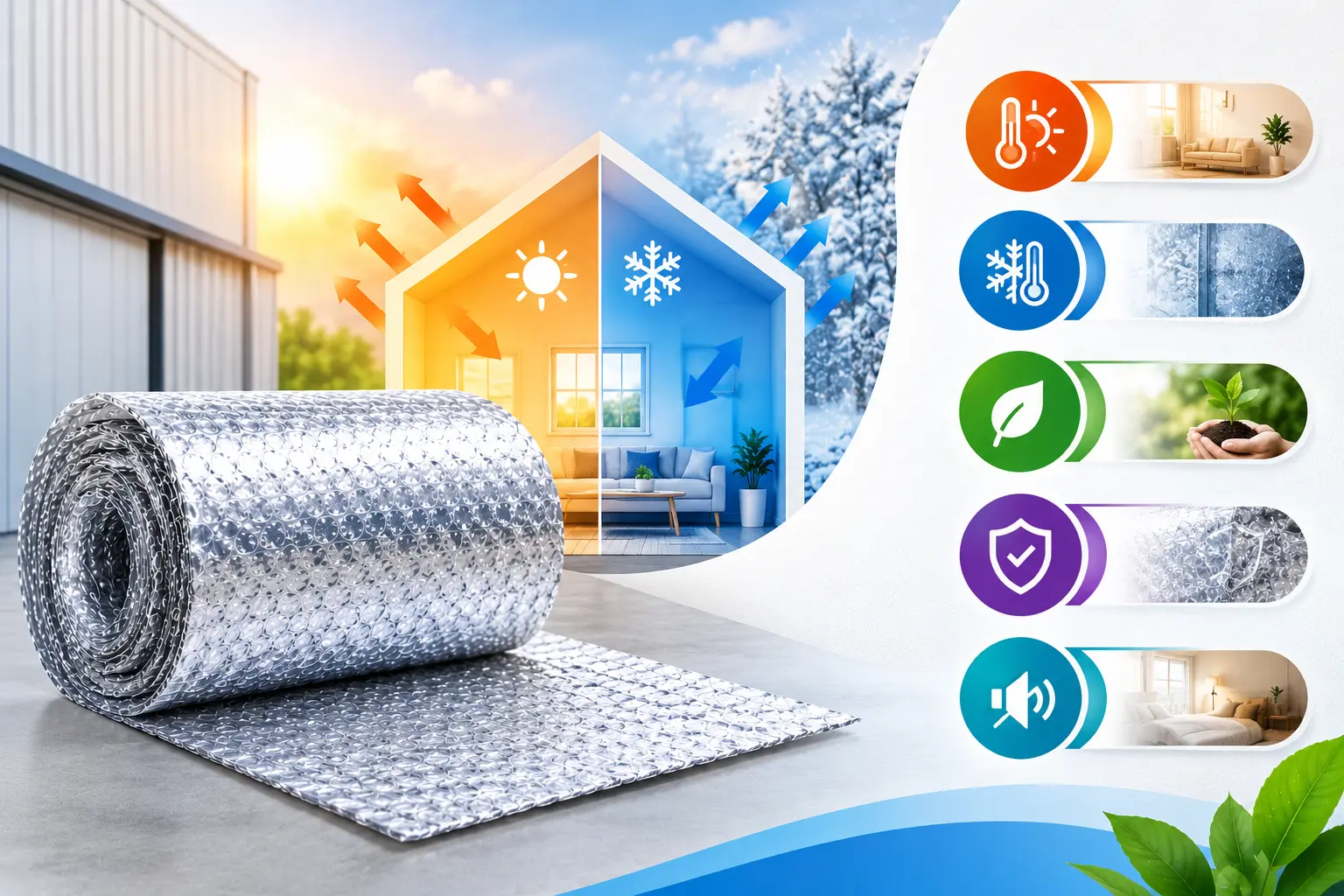
When these features work together, air bubble insulation can help create a more comfortable indoor environment.
It is important to remember that reflective insulation performs best when installed with the appropriate adjacent airspace. Actual performance also depends on the complete roof or wall construction, ventilation and installation quality.
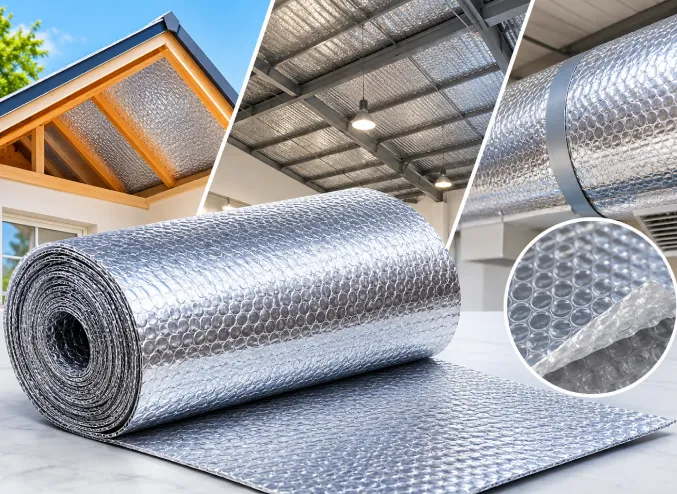
Choosing an appropriate insulation material can make a difference to building comfort and energy management.
Here are some important advantages of air bubble insulation sheets:
The suitability of an insulation material depends on the building structure, environmental conditions and insulation requirements.
Homes with exposed roofs can experience significant heat gain during summer. Air bubble insulation installed as part of a suitable roofing assembly can help improve indoor comfort.
Common applications include:
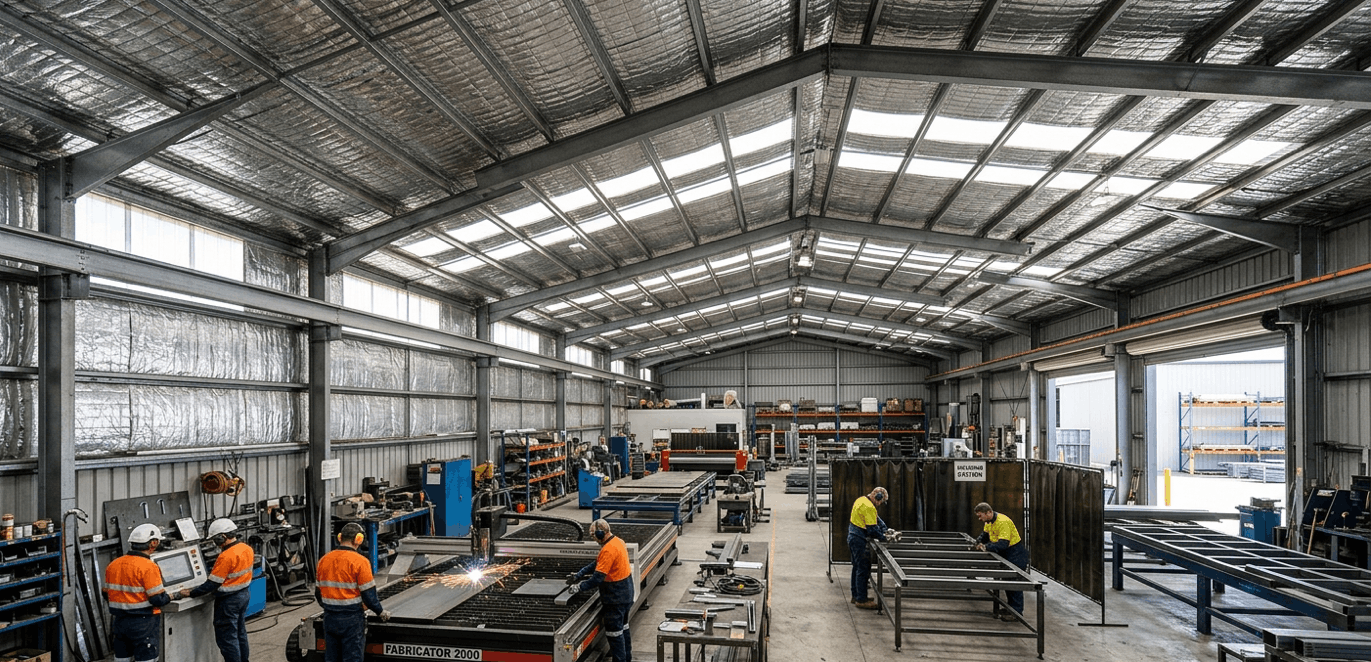
Factories and warehouses often have large metal roofing surfaces that receive direct sunlight. Reflective insulation can help reduce radiant heat entering the occupied space.
It can be considered for:
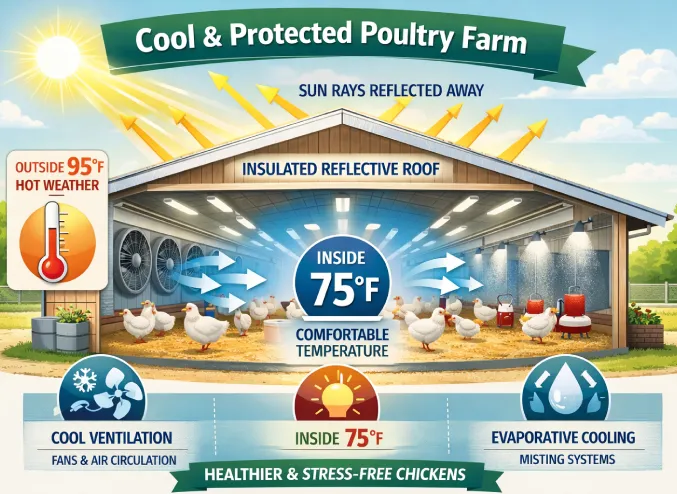
Temperature management is important in poultry farming. Excessive heat can affect the comfort and productivity of birds.
A properly planned thermal insulation system can help manage indoor temperature fluctuations in poultry sheds.
Offices, shopping centres, workshops and other commercial facilities can also benefit from suitable insulation systems.
Reducing unwanted heat transfer may improve indoor comfort and support more efficient cooling system operation.
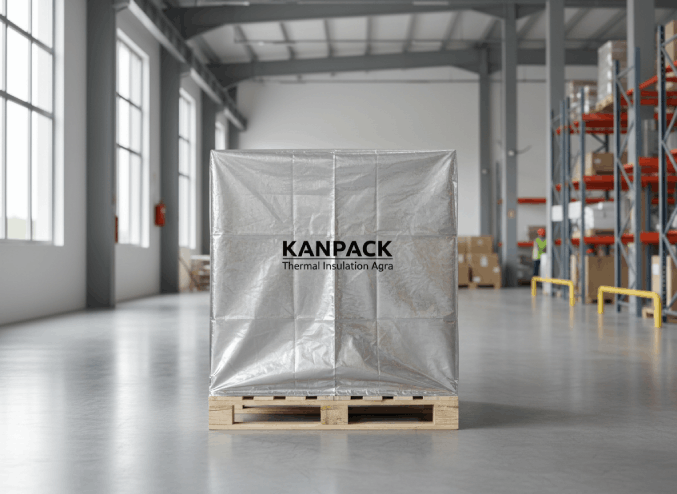
Insulation materials are also used in refrigerated storage and transportation structures. However, these applications require careful assessment of the complete thermal envelope, moisture control and temperature requirements.
Not every insulation product is suitable for every building. Before selecting a thermal insulation sheet, consider the following factors.
Insulation sheets are available in different thicknesses and layer configurations. The right option depends on the roof structure, installation space and expected thermal.
Single-bubble and multi-layer products have different constructions. Consider the number of bubble layers, reflective surfaces and overall material design before making a selection.
The quality and condition of the reflective surface are important for radiant heat management. Ask the manufacturer for relevant product specifications and test information.
A good insulation material needs proper installation to deliver its intended performance. Check fixing arrangements, air gaps, joint sealing and compatibility with the existing roof structure..
A residential roof, factory shed and poultry farm may have different insulation requirements. Choose a product based on the actual application rather than thickness alone. .
When selecting insulation materials, it is important to work with a manufacturer that offers different product configurations and understands the requirements of different industries.
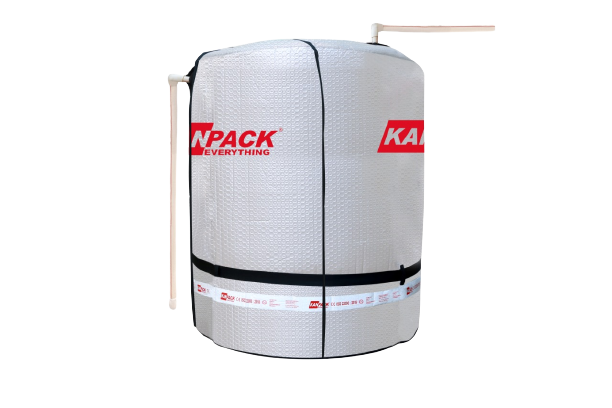
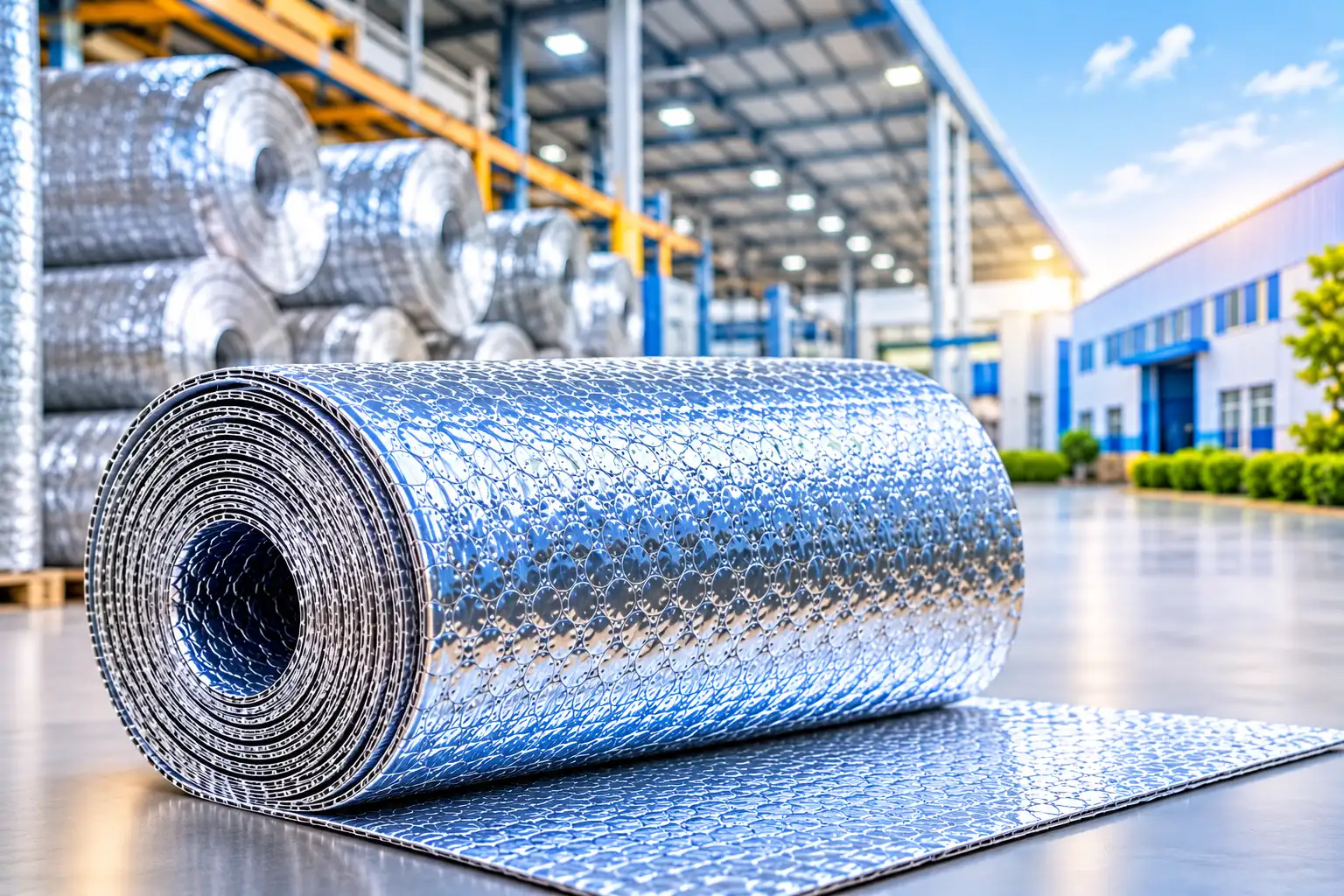
KANPACK Insulation, a brand of Kohinoor Metfoam Private Limited, manufactures air bubble thermal insulation solutions for residential, commercial and industrial applications across India.
Its product range includes different thickness and bubble-layer configurations, including:
The appropriate product should be selected according to the building design and insulation requirements.
For more information about available specifications, applications and product options, explore the Air Bubble Insulation Sheet and Thermal Insulation Sheet solutions from KANPACK.
Even a good insulation product may not perform as expected if installation is not planned properly.
Avoid these common mistakes:
For better results, follow the manufacturer's installation instructions and consult an experienced professional for large or complex projects.
Choosing the right insulation material is an important step towards creating more comfortable and energy-efficient buildings. An air bubble insulation sheet offers a practical combination of reflective properties, trapped air pockets, lightweight construction and installation flexibility.
Whether you are planning insulation for a home, warehouse, factory or poultry farm, take time to understand your building's requirements and compare available product specifications.
KANPACK Insulation provides different air bubble thermal insulation configurations for various residential, commercial and industrial applications. Exploring the right solution can help you make a more informed decision for your next insulation project.
An air bubble insulation sheet is a lightweight thermal insulation material made using polyethylene air bubbles and a reflective aluminium or metallised layer. It helps reduce radiant and conductive heat transfer when used in a suitable building assembly.
Yes, reflective air bubble insulation can be considered for many Indian building applications, particularly roofs and metal sheds exposed to strong sunlight. Product selection and installation should match local climatic and structural conditions.
Thermal insulation sheets can be used in residential roofs, industrial sheds, warehouses, poultry farms, commercial buildings and suitable prefabricated structures.
The correct thickness depends on the application, number of layers, building structure and required thermal performance. Compare product specifications instead of assuming that the thickest option is always the best.
It can help reduce unwanted heat entering a building, which may lower the cooling load and electricity consumption. Actual savings depend on building design, climate, ventilation and air-conditioning usage.
Single-bubble insulation contains one main air bubble layer, while multi-layer products contain additional bubble layers. Their thermal performance and suitability depend on the complete material construction and tested specifications.
Consider roof material, building size, sunlight exposure, ventilation, installation space and insulation specifications. Consult the manufacturer to identify a suitable configuration for your project.