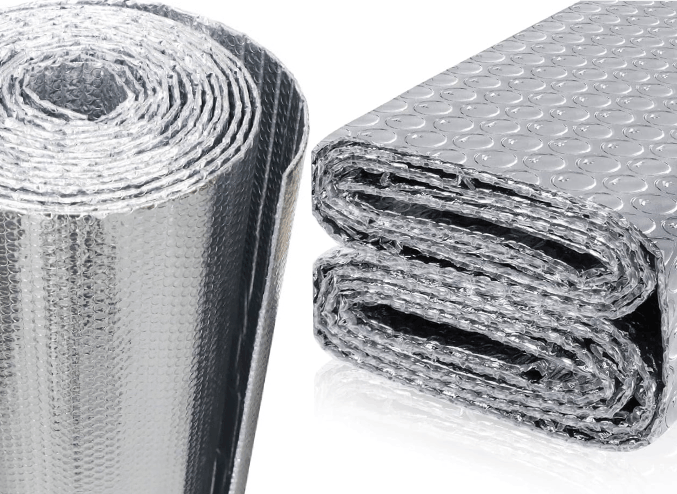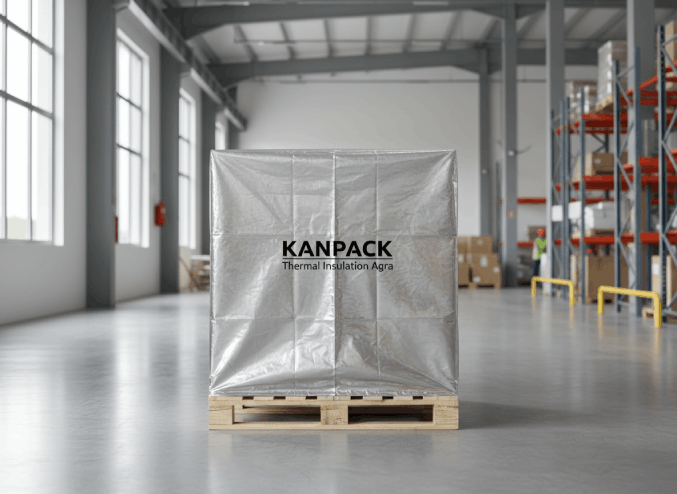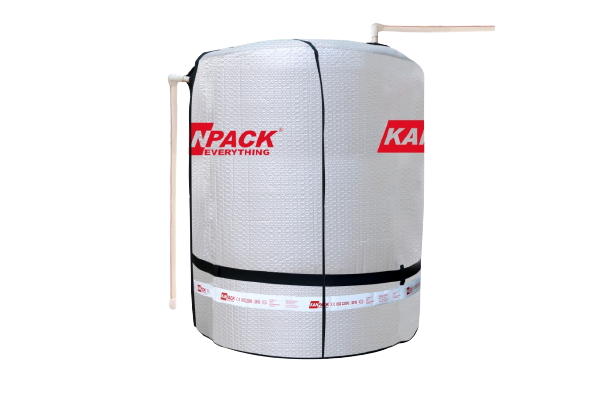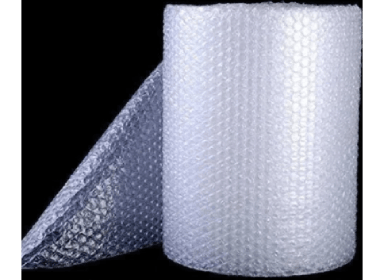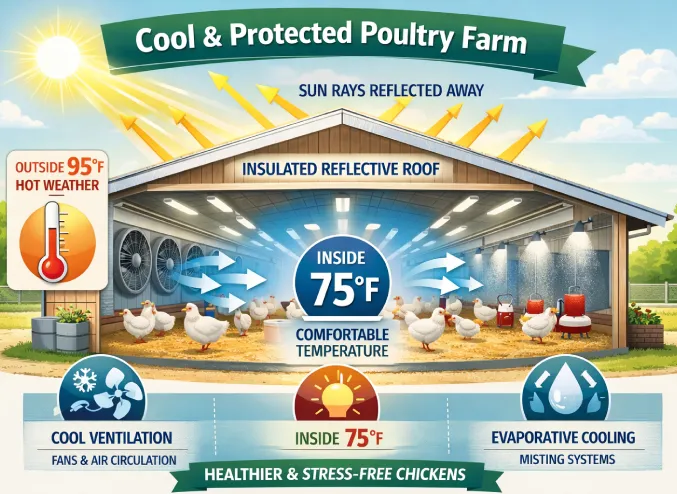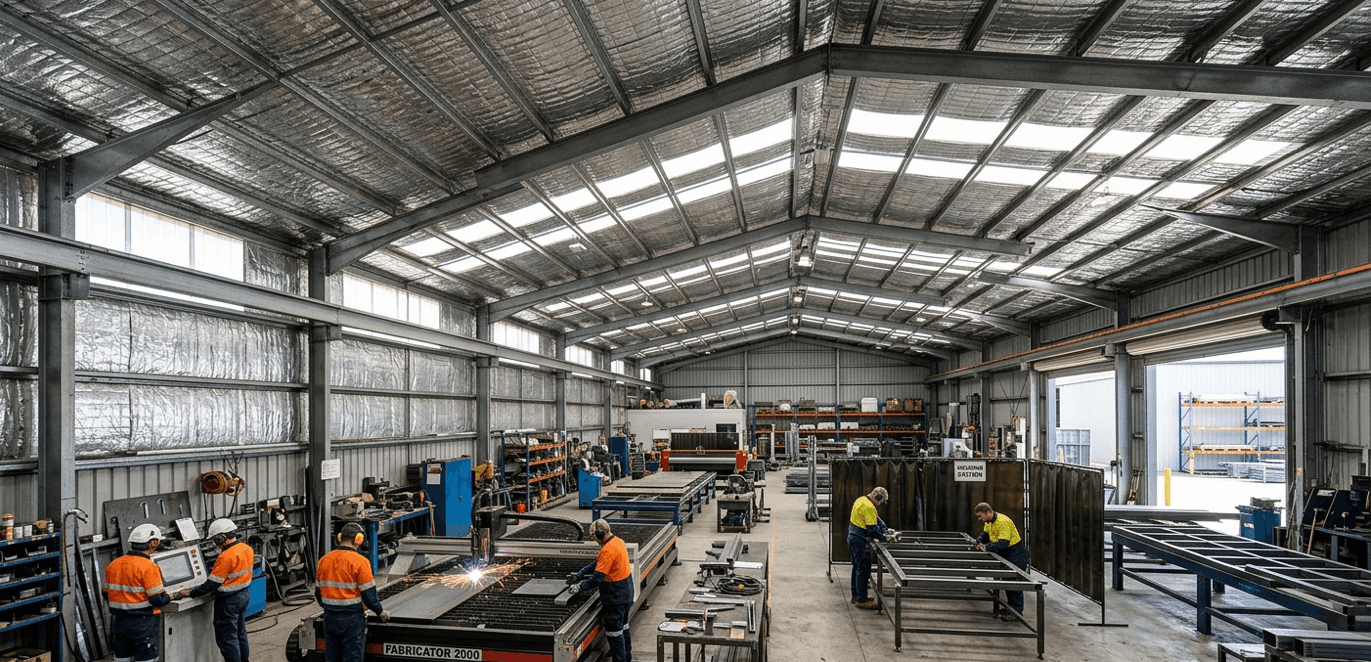
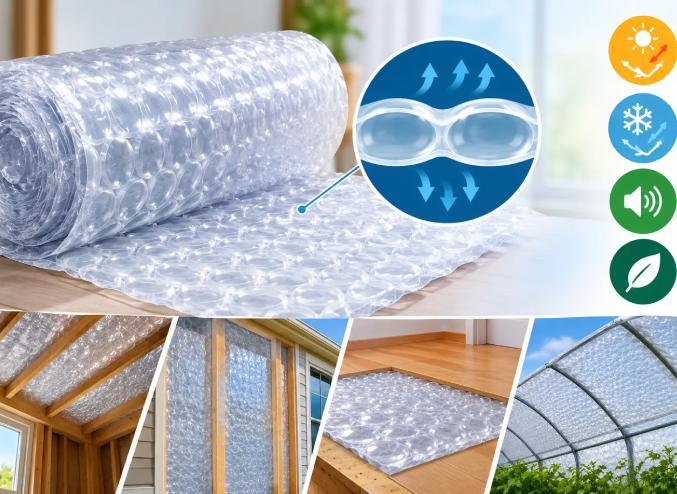
An air bubble insulation sheet is a lightweight reflective insulation material made using bubble layers combined with reflective aluminium or metalized surfaces.
The reflective surface is designed to reduce radiant heat transfer, while the enclosed air within the bubble structure provides additional resistance to heat movement
KANPACK's air bubble insulation range is designed for applications including industrial sheds, warehouses, poultry farms, PEB structures, metal roofs, commercial buildings, construction and renovation, portable structures and other specialized applications.
KANPACK also offers customized insulation solutions based on requirements such as size, thickness and material configuration.
If you want to understand the fundamentals of how air bubble insulation works, first read our Complete Guide to Air Bubble Thermal Insulation.
One of the first questions customers ask when purchasing insulation is: “Which thickness should I choose?”
The answer isn't simply “Choose the thickest sheet.”
Thickness is only one part of the product configuration. Other factors include the number of bubble layers, reflective surface, roof construction, installation method, available space, building type, heat exposure, required performance, project specifications, quantity and budget.
For this reason, two products should not be compared only by their millimetre measurement. The overall construction of the insulation system matters.
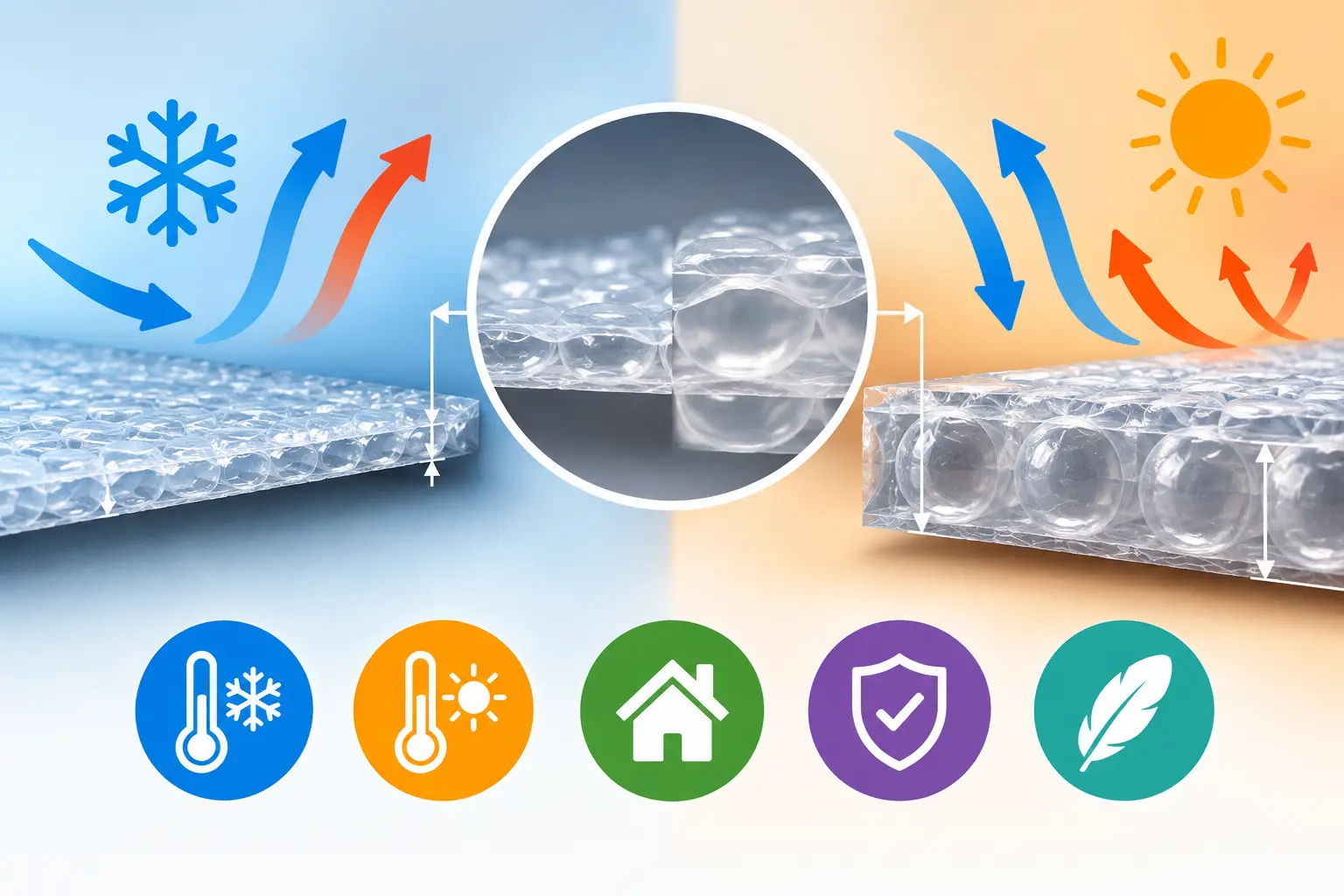
KANPACK's air bubble insulation range includes multiple thickness and bubble-layer configurations. The current range includes configurations from approximately 4mm through 20mm, including single-, double- and triple-bubble constructions.
| Sheet Thickness Size | Description |
|---|---|
| 4mm Air Bubble Insulation Sheet | The 4mm configuration is a single-bubble insulation construction. A thinner configuration can be considered where space is limited, lightweight handling is important, the application requires a compact insulation layer, or the project specification calls for a single-bubble configuration. Possible applications, depending on project design, include selected roof applications, commercial applications, lightweight structures and retrofit projects. Important: Thickness alone should not be used as a measure of insulation performance. |
| 6mm Air Bubble Insulation Sheet | The 6mm configuration is based on a single-bubble construction. It can be considered when the project requires a single-bubble configuration with greater material thickness than the 4mm option. Potential considerations include roof type, building construction, heat exposure, installation space and required product configuration. |
| 8mm Air Bubble Insulation Sheet | KANPACK's range includes 8mm configurations in both double- and triple-bubble constructions. Two products can have the same nominal thickness but different bubble-layer construction. An 8mm double-bubble product and an 8mm triple-bubble product should not automatically be treated as identical products. Depending on the building and specification, applications can include industrial buildings, warehouses, PEB structures, commercial buildings, roof insulation and retrofit projects. |
| 12mm Air Bubble Insulation Sheet | KANPACK offers 12mm configurations in both double- and triple-bubble constructions. A buyer should discuss thickness + bubble construction + reflective surface + application + installation rather than simply asking for the thickest insulation. Potential applications include industrial sheds, warehouses, PEB buildings, poultry structures and commercial buildings. The appropriate configuration depends on the building assembly and project specifications. |
| 16mm Air Bubble Insulation Sheet | The 16mm KANPACK ULTRA configuration uses a triple-bubble construction. For large industrial projects, selection should take into account roof design, installation method, available clearance, heat exposure, required performance, quantity and project budget. For a large roof, discuss the complete application with the manufacturer rather than selecting a thickness based only on the product name. |
| 20mm Air Bubble Insulation Sheet | The 20mm KANPACK ULTRA PLUS configuration uses a triple-bubble construction and represents the highest thickness currently listed within this KANPACK air-bubble insulation range. However, 20mm is not automatically the right choice for every application. A thicker product can involve different installation, handling, space and cost considerations. The right question is: “Is 20mm the appropriate configuration for my building and application?” |
Thickness isn't the only specification that matters.
This range gives buyers multiple configurations rather than forcing every project into one standard specification.
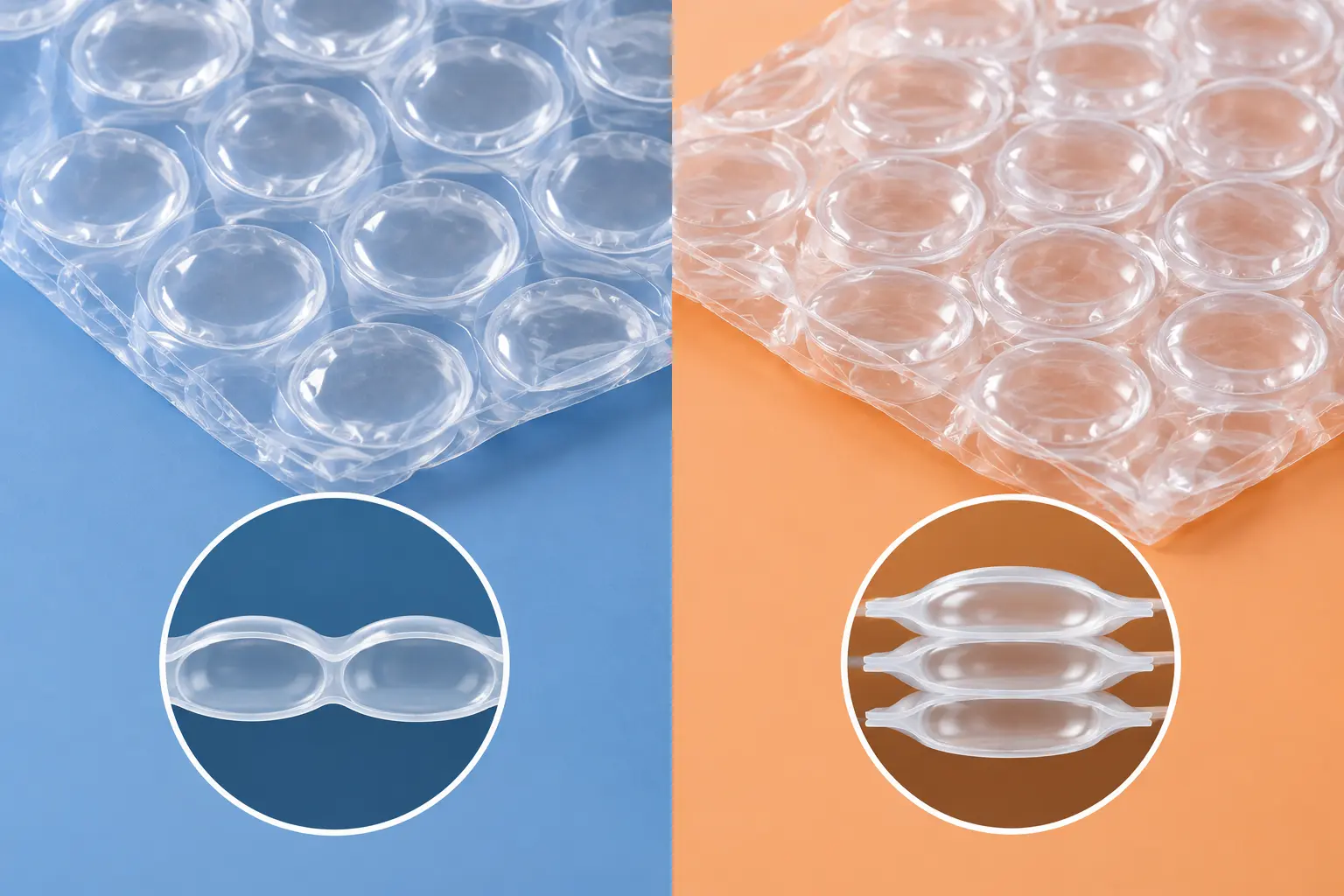
Both may have an 8mm nominal thickness, but the bubble construction is different.
The correct comparison should consider bubble-layer construction, reflective surface, product construction, installation requirements, intended application and manufacturer specifications.
The same principle applies when comparing 12mm double bubble with 12mm triple bubble.
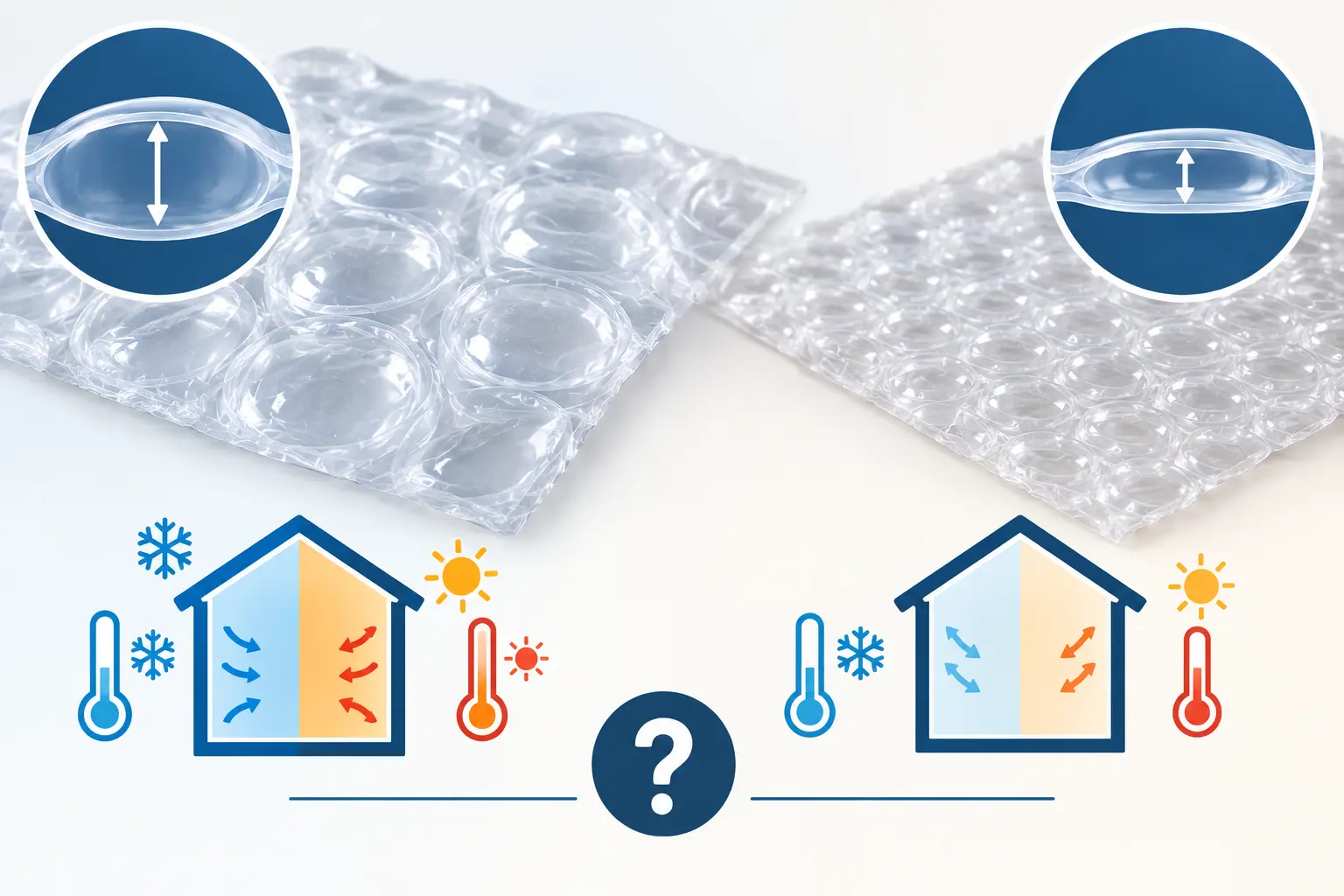
There is no single thickness that should be recommended for every industrial shed.
Industrial buildings differ in roof material, roof profile, building height, roof orientation, location, solar exposure, ventilation, existing insulation and installation method.
A new PEB project can have very different requirements from an existing metal-roof warehouse undergoing a retrofit.
Before selecting the product, provide roof type + roof area + location + application + installation condition to the manufacturer.
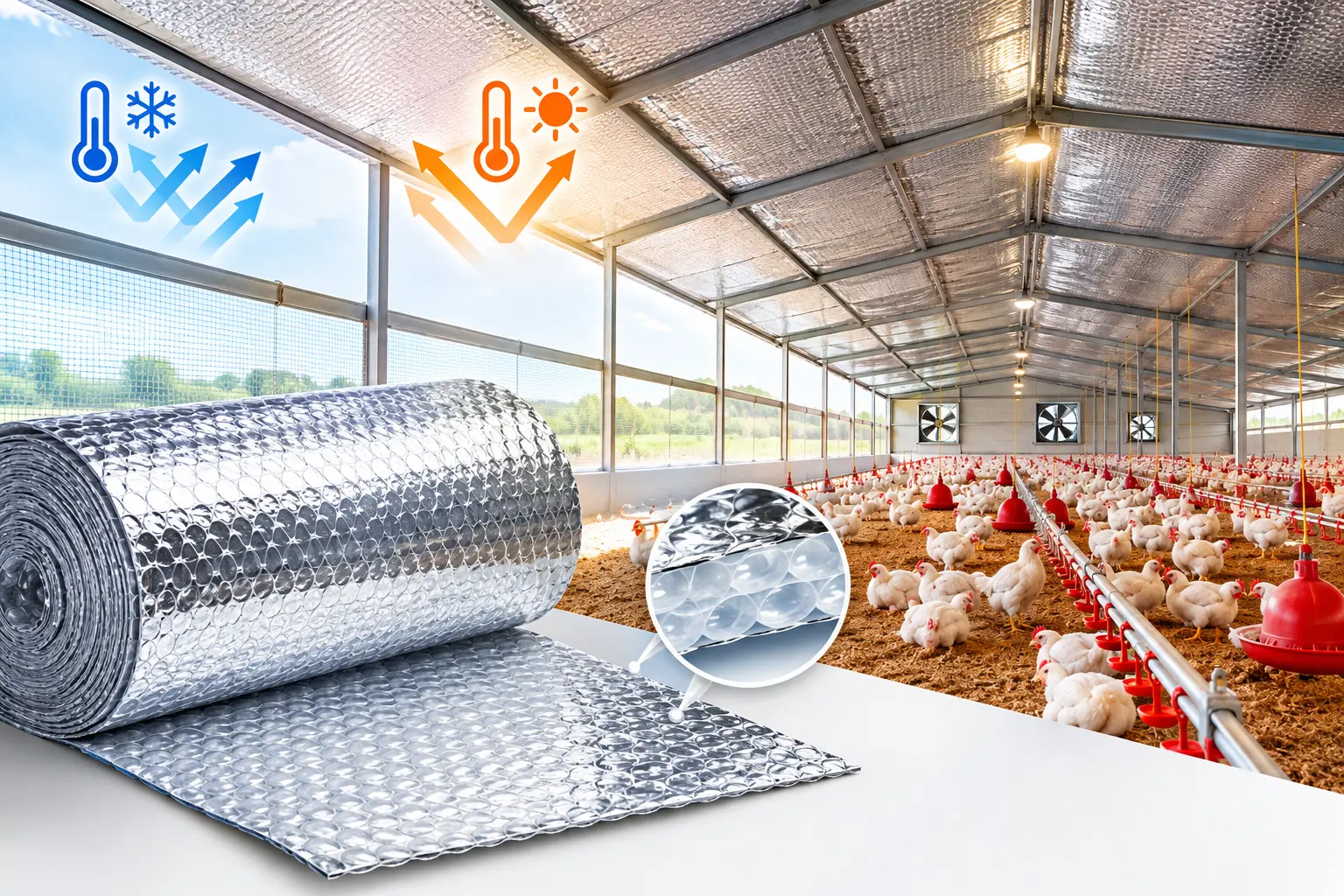
Poultry farm insulation should be considered along with shed design, roof material, shed orientation, local climate, ventilation, cooling system, bird density and installation method.
Rather than selecting 12mm, 16mm or 20mm simply because it is thicker, poultry farm owners should provide their shed details to the manufacturer for product selection.
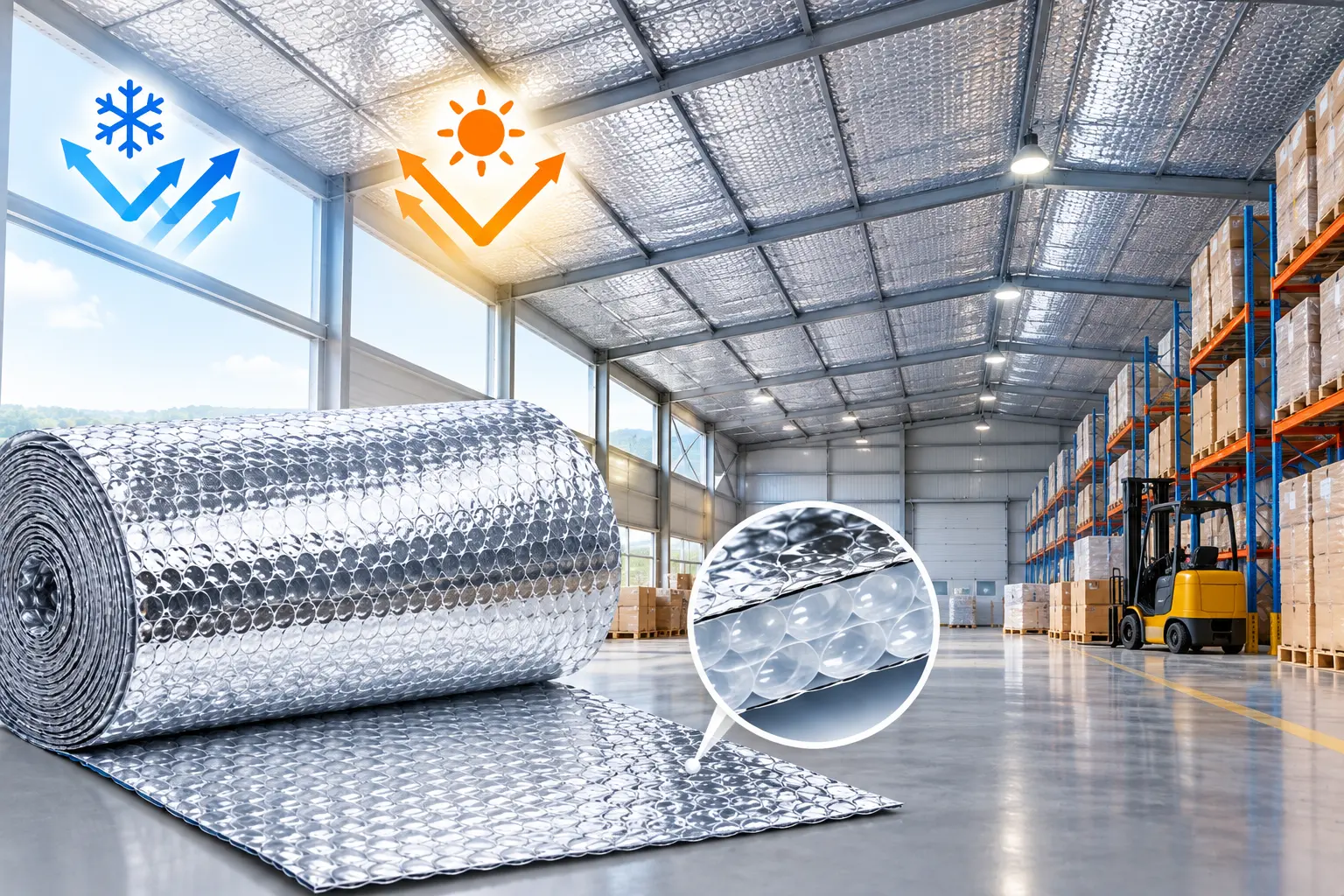
Warehouse requirements depend on the roof construction, stored goods and building conditions.
Consider PEB or metal roofing, the type of products being stored, roof area, roof height, solar exposure, ventilation, existing insulation and required indoor conditions.
The correct air bubble insulation configuration should be selected based on these factors.
| Steps | Description |
|---|---|
| Step 1: Identify the application | Industrial shed, warehouse, poultry farm, PEB, commercial building or other. |
| Step 2: Identify the roof type | Metal sheet, PEB roof, galvanized sheet, RCC or other |
| Step 3: Measure the area | Provide the roof area in square feet or square metres |
| Step 4: Consider installation space | available clearance can influence the configuration. |
| Step 5: Consider heat exposure | Describe direct sunlight and local conditions |
| Step 6: Discuss bubble configuration | Single, Double or Triple bubble |
| Step 7: Compare the complete specification | Construction + thickness + reflective surface + dimensions + installation + quantity + specification. |
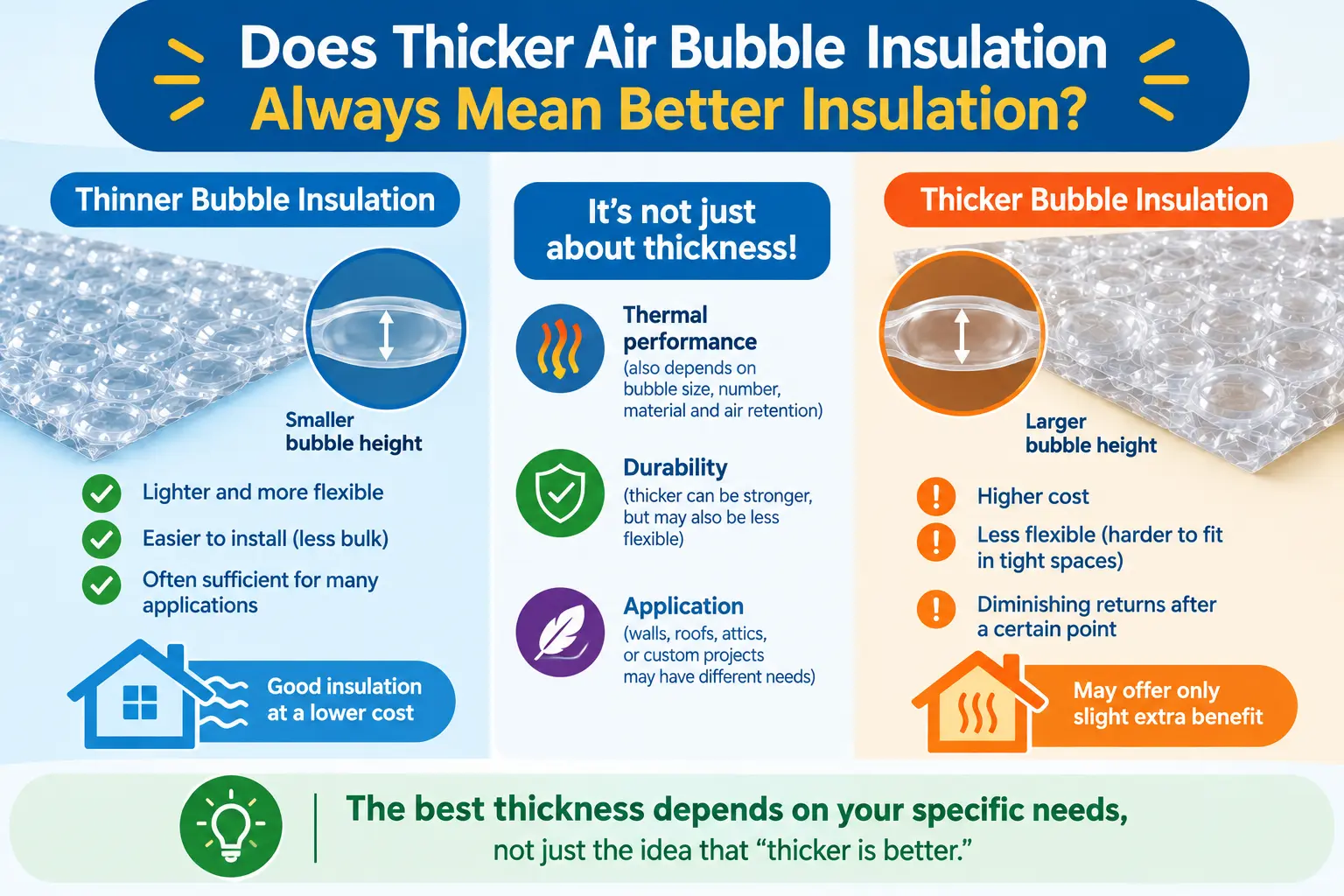
Not necessarily
A product's overall performance depends on its construction and installation, not just the number printed in millimetres.
For example, 8mm Double Bubble and 8mm Triple Bubble have the same nominal thickness but different bubble-layer constructions.
Choose the appropriate specification for the application rather than automatically choosing the thickest product.
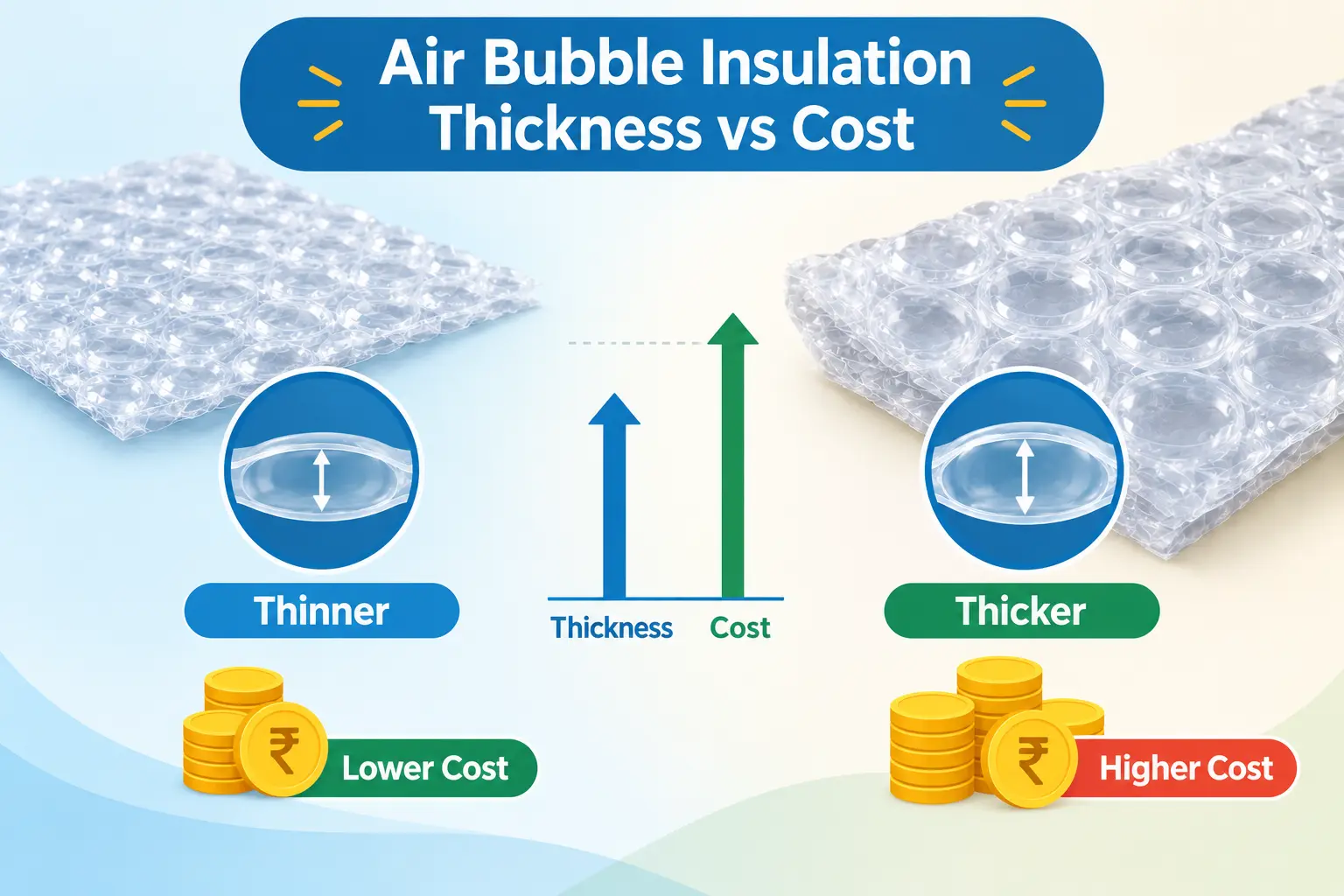
Thickness and product construction affect material requirements and pricing, but price should not be evaluated independently
When requesting quotations, ask for product name, thickness, bubble construction, reflective surface, roll dimensions, coverage, quantity, price, GST, freight, installation if applicable, and delivery timeline.
For large projects, compare the complete specification rather than only the price per square foot.
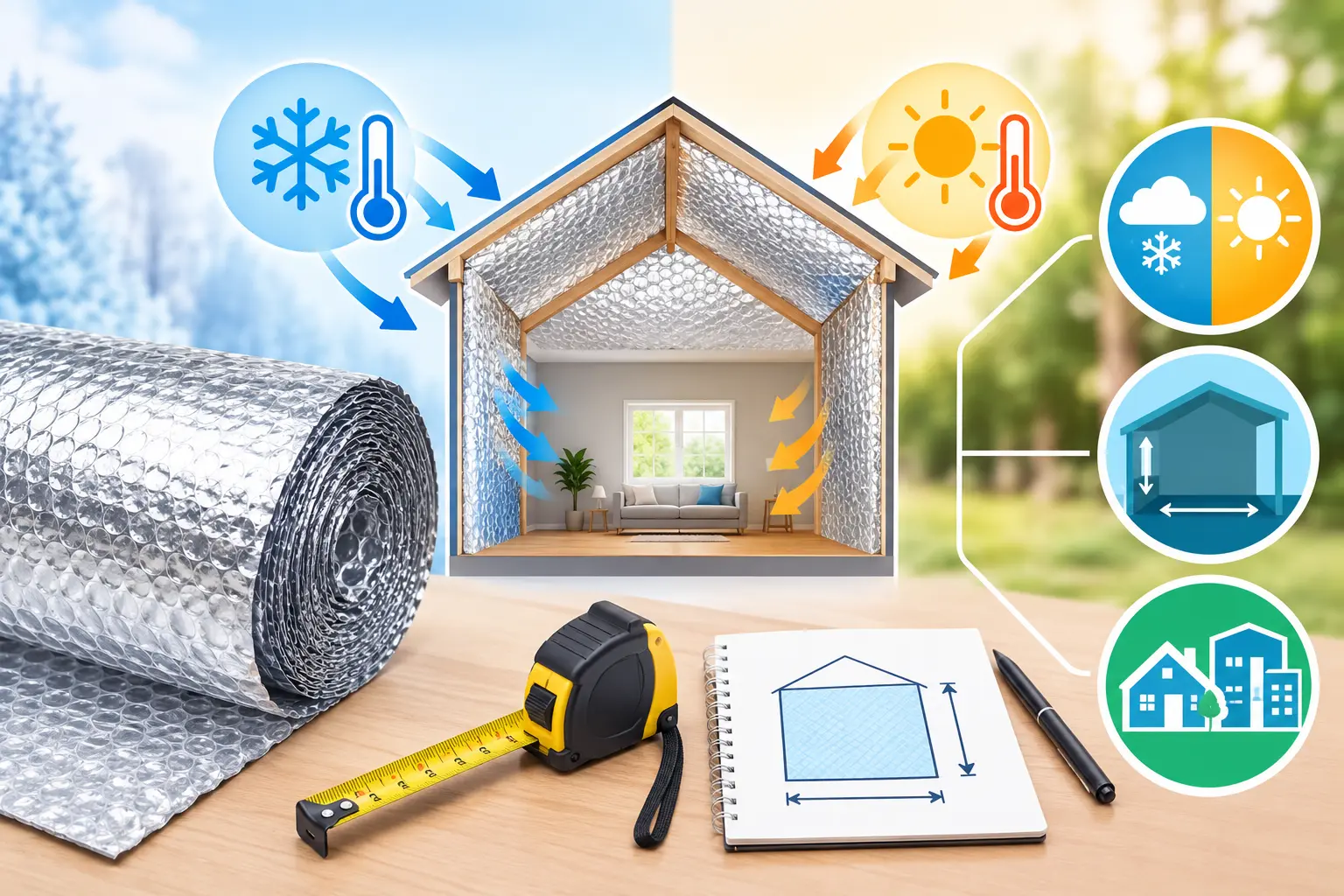
A basic starting point is:
Required roof area ÷ effective coverage per roll = approximate number of rolls.
Actual quantity may need to account for overlaps, joints, cutting, openings, roof geometry and installation wastage.
For large projects, provide roof dimensions or drawings to KANPACK so the material requirement can be discussed more accurately.
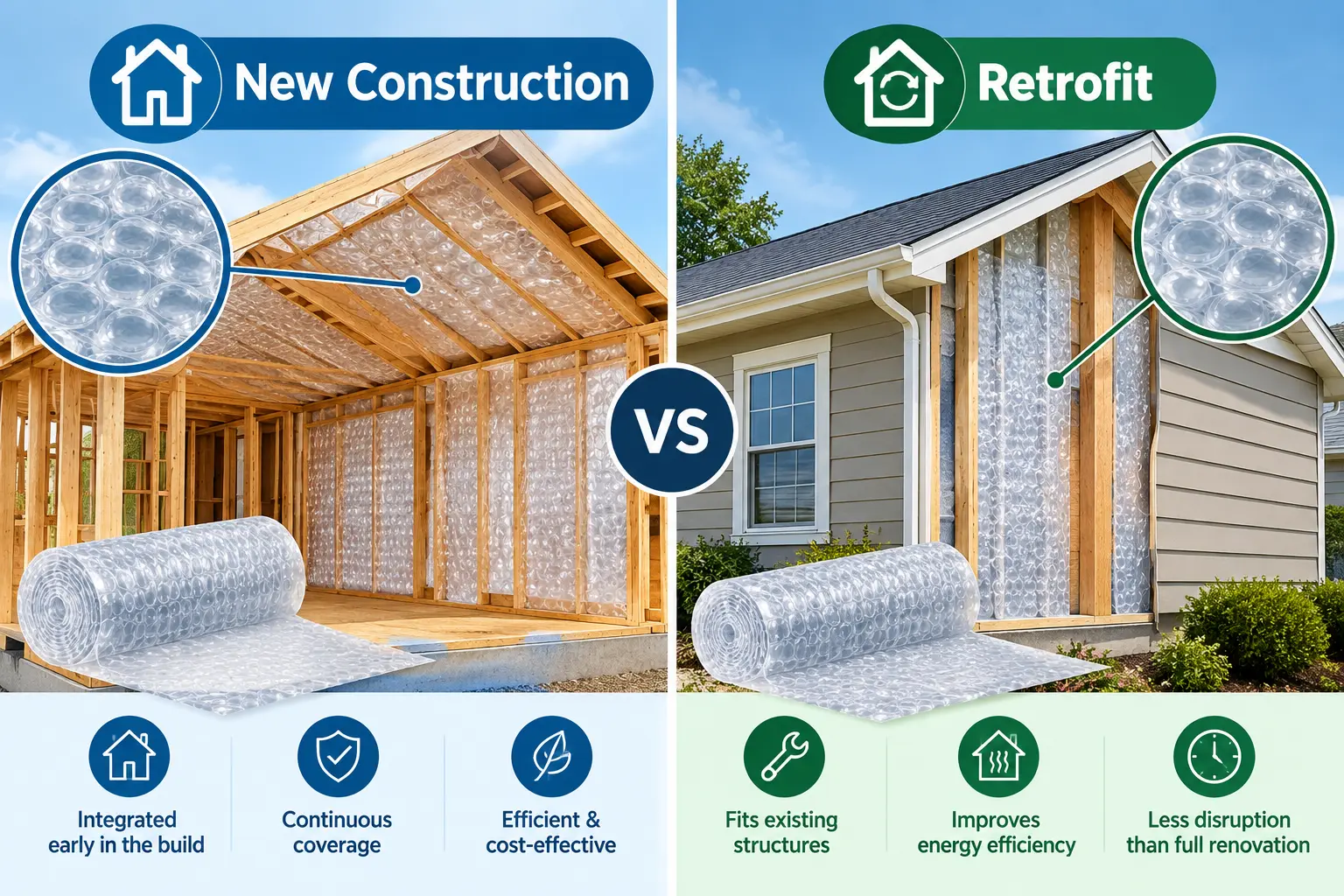
New Construction: insulation can be incorporated into the building design from the beginning, allowing the project team to consider roof design, configuration, fixing system, joints, overlaps and installation sequence.
Existing Building: inspect the roof structure first. Consider existing insulation, available space, fixing method, roof condition and joint sealing before finalizing the configuration

20mm is not automatically right for every application.

single, double and triple configurations should not be treated as identical.

To achieve a higher response rate or any other context you can consider
The product needs an appropriate installation method.
Tell the manufacturer where and how it will be used
Avoid selecting products based solely on generic temperature-reduction or energy-saving claims.

For large commercial and industrial projects, buying directly from a manufacturer can provide an opportunity to discuss product configuration with the company producing the material.
KANPACK identifies itself as an Agra-based manufacturer of air bubble thermal insulation sheets and states that it has manufacturing, quality-control and customization capabilities.
The company also states that it provides premium-grade raw materials, manufacturing technology, customized insulation solutions, reliable supply, competitive pricing and OEM/private-label options.
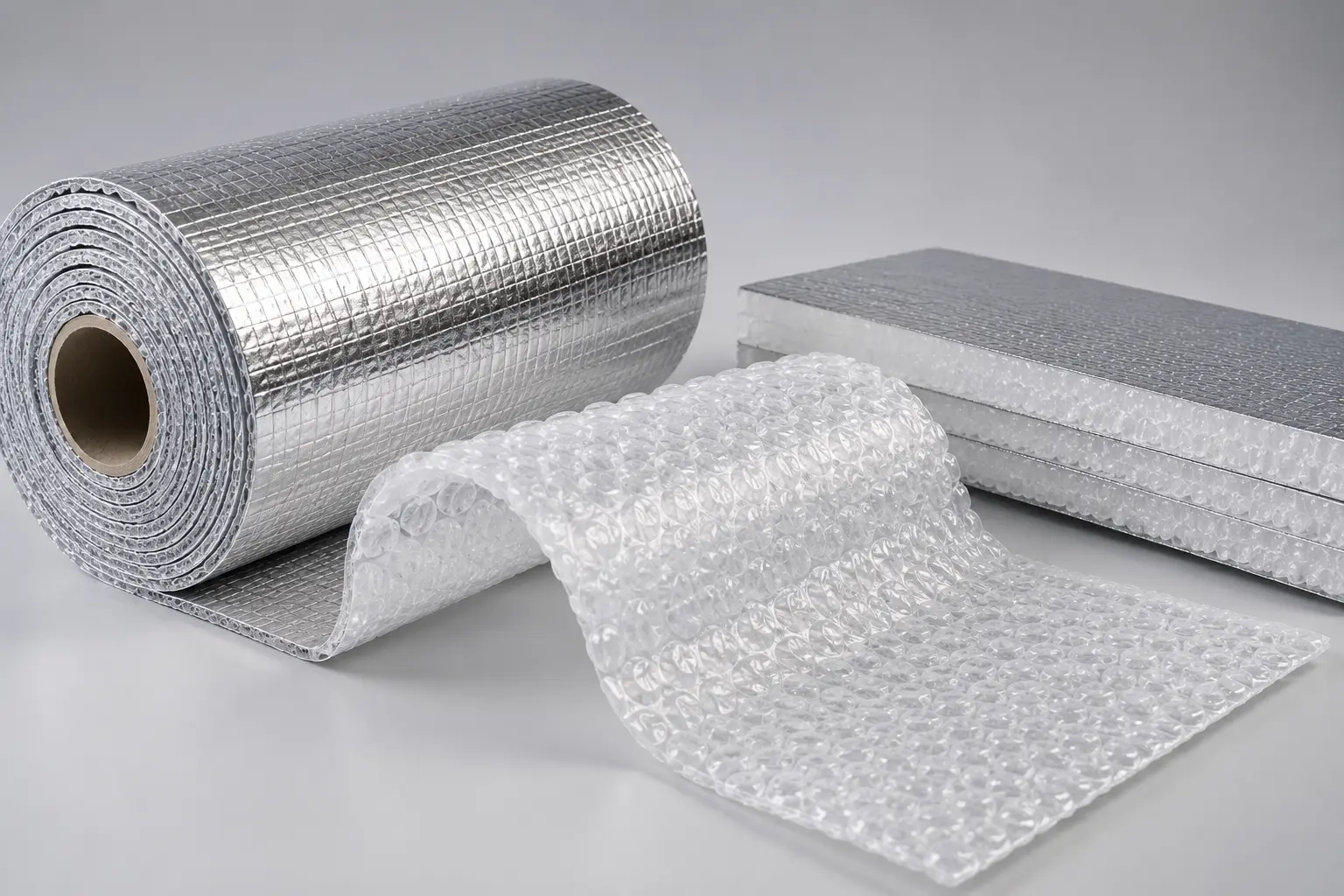
KANPACK manufactures air bubble thermal insulation products at its facility in Agra, Uttar Pradesh.
The company's website identifies air bubble thermal insulation sheets, reflective insulation sheets, roof insulation sheets, multiple bubble configurations, customized insulation solutions and OEM/private-label options.
For a project quotation, start with your area size, industry/application and project requirement, followed by discussion of the suitable product.
Don't choose your insulation only by thickness.
Whether you are working on an Industrial Shed, Warehouse, Poultry Farm, PEB, Commercial Building or Metal Roof, the right product depends on the complete application.
Send KANPACK these four details:
 Application Roof type Approximate area Required quantity
The KANPACK team can then discuss the appropriate air bubble insulation configuration for your project.

There is no single standard thickness for every application. KANPACK's current range includes configurations from approximately 4mm to 20mm.
Not necessarily. They are different configurations intended for different project requirements.
The primary difference is the number of enclosed bubble layers within the construction.
Triple-bubble construction contains an additional bubble layer compared with double-bubble construction. Evaluate the complete technical specification rather than bubble count alone.
Yes. KANPACK lists 8mm configurations in both double- and triple-bubble constructions.
Yes. KANPACK lists 12mm configurations in both double- and triple-bubble constructions.
Yes. KANPACK lists a 16mm triple-bubble configuration.
Yes. KANPACK lists a 20mm triple-bubble configuration.
There is no universal thickness. Consider roof construction, area, climate, heat exposure, installation method and project requirements.
Consider shed design, roof, climate, ventilation and overall cooling strategy.
Yes. KANPACK states that customized insulation solutions are available according to requirements including size, thickness and material configuration.
Provide application + roof type + approximate area + location + required quantity.
| Product | Thickness | Bubble Construction | Outer Layer |
|---|---|---|---|
| KANPACK PRIME | 4mm | Single Bubble | Aluminium |
| KANPACK SUPER | 6mm | Single Bubble | Aluminium |
| KANPACK PRIME PLUS | 8mm | Double Bubble | Aluminium |
| KANPACK SUPER PLUS | 12mm | Double Bubble | Aluminium |
| KANPACK STAR | 8mm | Triple Bubble | Aluminium |
| KANPACK STAR PLUS | 12mm | Triple Bubble | Aluminium |
| KANPACK ULTRA | 16mm | Triple Bubble | Aluminium |
| KANPACK ULTRA PLUS | 20mm | Triple Bubble | Aluminium |