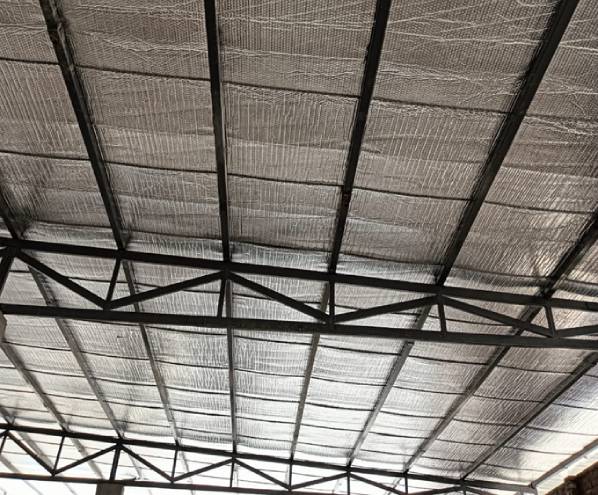
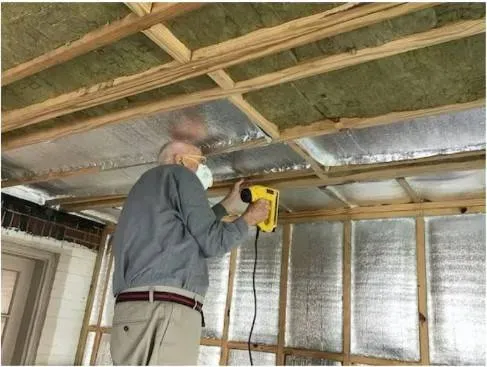
In our contemporary era, being energy efficient and maintaining proper temperature control have become necessities when it comes to both residential and commercial properties. One of the best ways to achieve these purposes is through reflective insulation. As opposed to conventional insulation materials, reflective insulation does not absorb heat but rather reflects it. Consequently, it becomes highly efficient in hot areas and industrial uses.
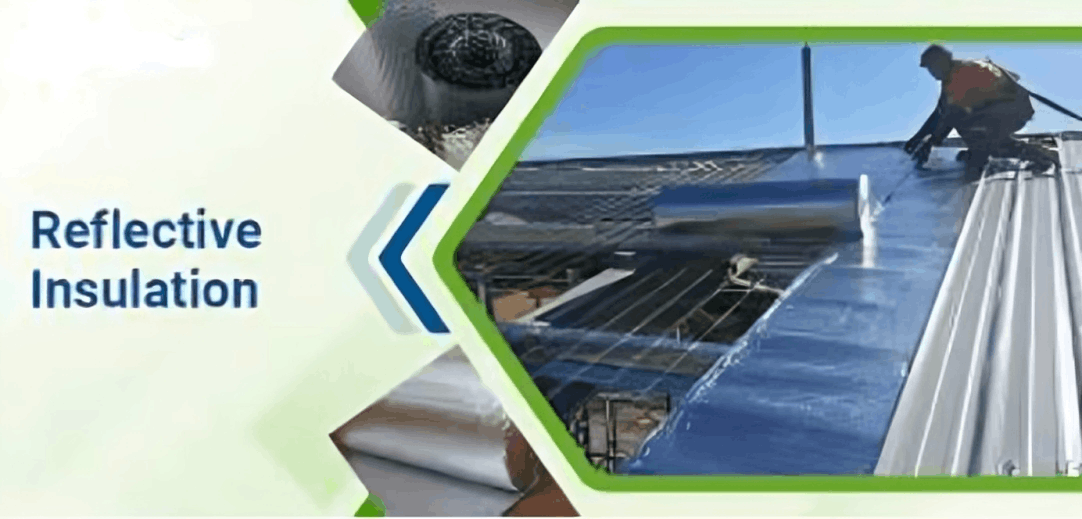
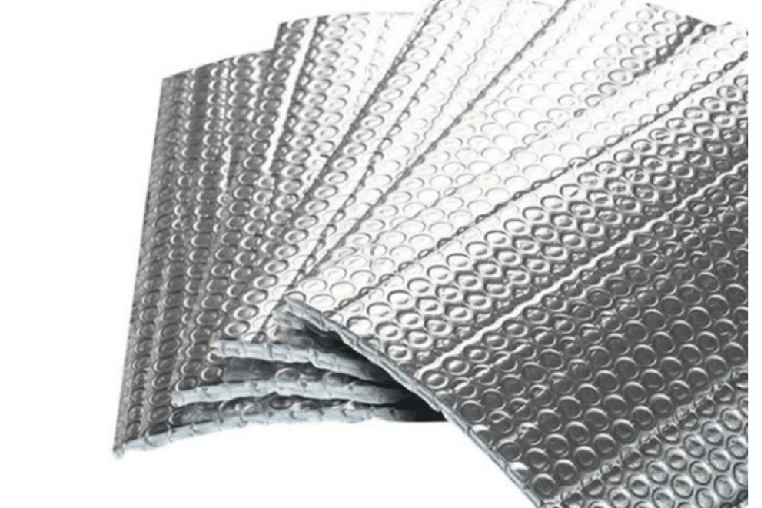
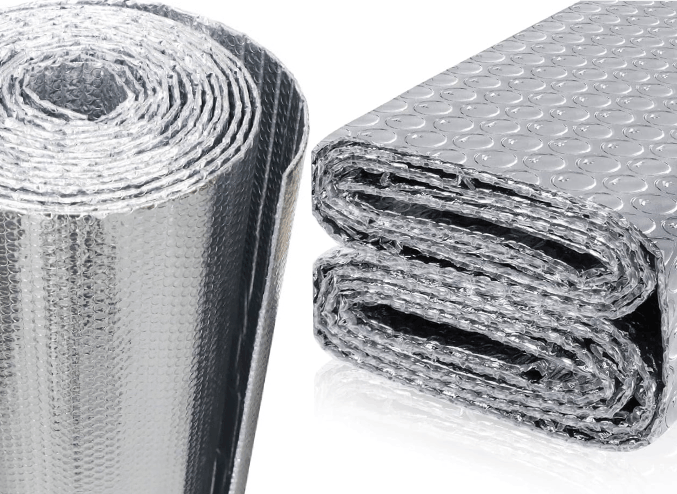
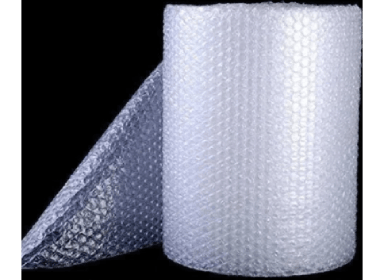
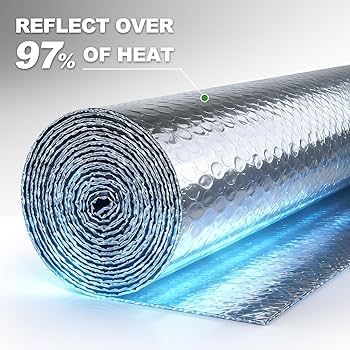
Reflective insulation is a thermal insulationthat resists heat conduction by reflecting the radiated heat. The typical construction of reflective insulation includes a layer of reflective surfaces like aluminium foil together with air-filled layers of foams.
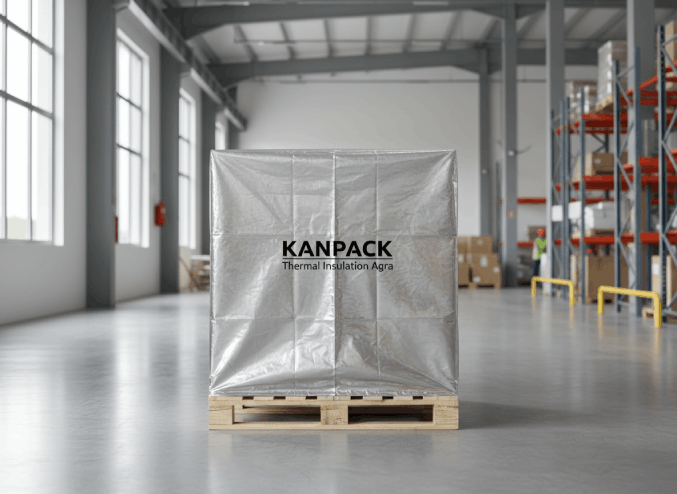
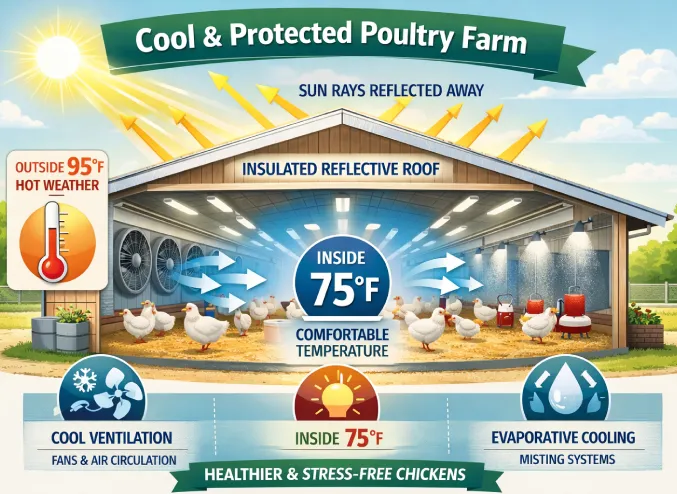
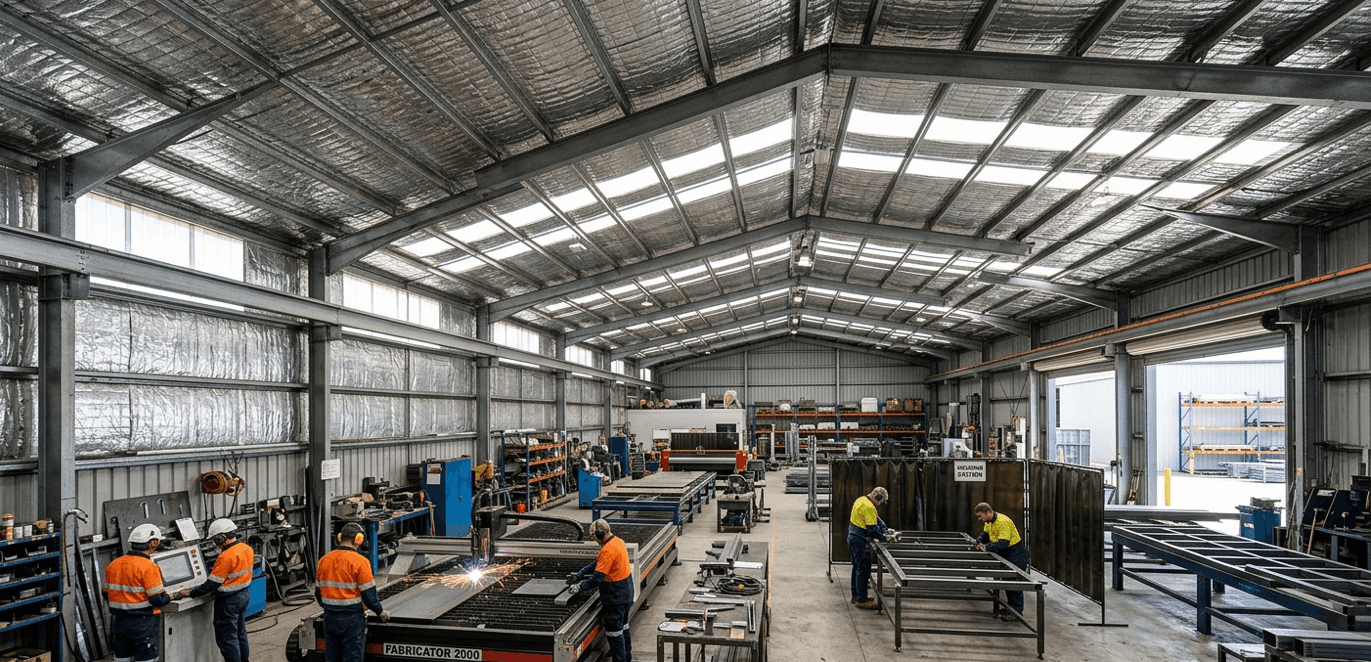
Reflective insulation is popular in roofs, walls, industrial sheds, warehouses, and even poultry farms where regulating heat gain is of great importance. In essence, reflective insulation keeps the heat away from the building premises.
In order to know how reflective insulation functions, we must first understand the three main types of heat transfer processes:
The reflective insulation focuses on radiant heat and can reflect away as much as 95-97 percent of heat energy because of its reflective metallic coating.
In roof installation and wall installation, it provides a barrier for reducing fluctuation in indoor temperature.
Reflective insulation decreases the use of air conditioners and results in reduced electricity costs.
It is highly effective in blocking solar energy and keeps interiors cool in warm conditions.
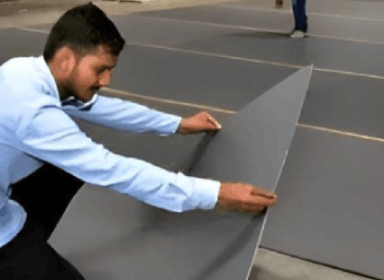
Reflective insulation panels are lighter than conventional insulation materials and are easier to install.
It prevents moisture formation and safeguards buildings against structural damage.
Through energy savings, it promotes environmental protection.
Reflective insulation has many applications in different industries because of its flexibility:
Regular insulating materials such as glass wool and foam have heat absorption capabilities that may result in heat storage. On the contrary, reflective insulation reflects heat, thereby making it more effective in hot surroundings.
Furthermore, it offers thinner layers for equal effectiveness in extensive industrial usage.
Reflective insulation functions by reflecting radiant heat. The metallic surface reflects 95-97 percent of radiant heat, and the air spaces between the surfaces limit the conductive and convective heat transfer.
Yes, reflective insulation is very useful in hot environments. It keeps heat out of buildings, making it perfect for roofing, sheds, and storage facilities in hot areas.
Reflective insulation can be used in:
Reflective insulation reflects heat, whereas normal insulation absorbs heat. The efficiency of reflective insulation is greater than that of normal insulation when it comes to radiant heat reduction, particularly in hot regions.
Yes, since reflective insulation reduces the heat within the building, its air conditioning is minimized, thus minimizing energy use.
Yes, as reflective insulation is usually water-resistant material and serves as a moisture barrier.
You can get the reflective insulation sheets manufactured by kanpack insulation at very affordable price. Just contact them at +91 9557329995, +91 7060321024,+91 9286851505 or email them at kohinoormetfoam@gmail.com.
Reflective insulation is a very intelligent and contemporary way to control heat and increase efficiency. Reflective insulation will ensure that there is reduced heat flow due to reflection of radiation and reduced thermal transmission.
For industrial sheds, residential houses, or agricultural purposes, reflective insulation is one of the best investments you could ever make due to its durability and low maintenance requirements.