K A N P A C K

The Complete Guide to Thermal Insulation Materials for Modern Construction

With the pace of urbanization increasing and the increase in global warming, modern architectural design now has the double task of ensuring indoor thermal comfort while decreasing the amount of energy consumed by a large margin. Thermal insulation is not only a luxury anymore; it is a necessity in the design of residential buildings, pre-engineered buildings (PEBs), warehouses, and industrial units.
Thermal insulation is made of special materials that slow down or stop heat from moving around. This is really helpful because it keeps our homes at a comfortable temperature all year long—keeping the hot air out in the summer and keeping the warm air in during the winter.

Thermal Insulation Materials

Understanding the Physics of Heat Transfer in Buildings

To select a suitable thermal insulation material, it is crucial to know how heat penetrates and leaves the structure. Heat will always travel from areas of higher temperature to lower temperature areas by three methods, including:

  •   Conduction - This involves the transmission of heat through solid substances (such as heat traveling through concrete roofs and metal sheets).
  •   Convection - Heat is transmitted through fluid motion (such as heat transfer due to the motion of hot air inside a roof cavity that is not insulated).
  •   Radiation - Heat waves produced by the sun (radiant heat), which makes up between 80% and 95% of all the heat absorbed via roofs in warm climates.

The conventional types of insulation include glass wool or rock wool, and they are only concerned with reducing conduction and convection.

Radiant Barrier Insulation

Common Types of Thermal Insulation Materials

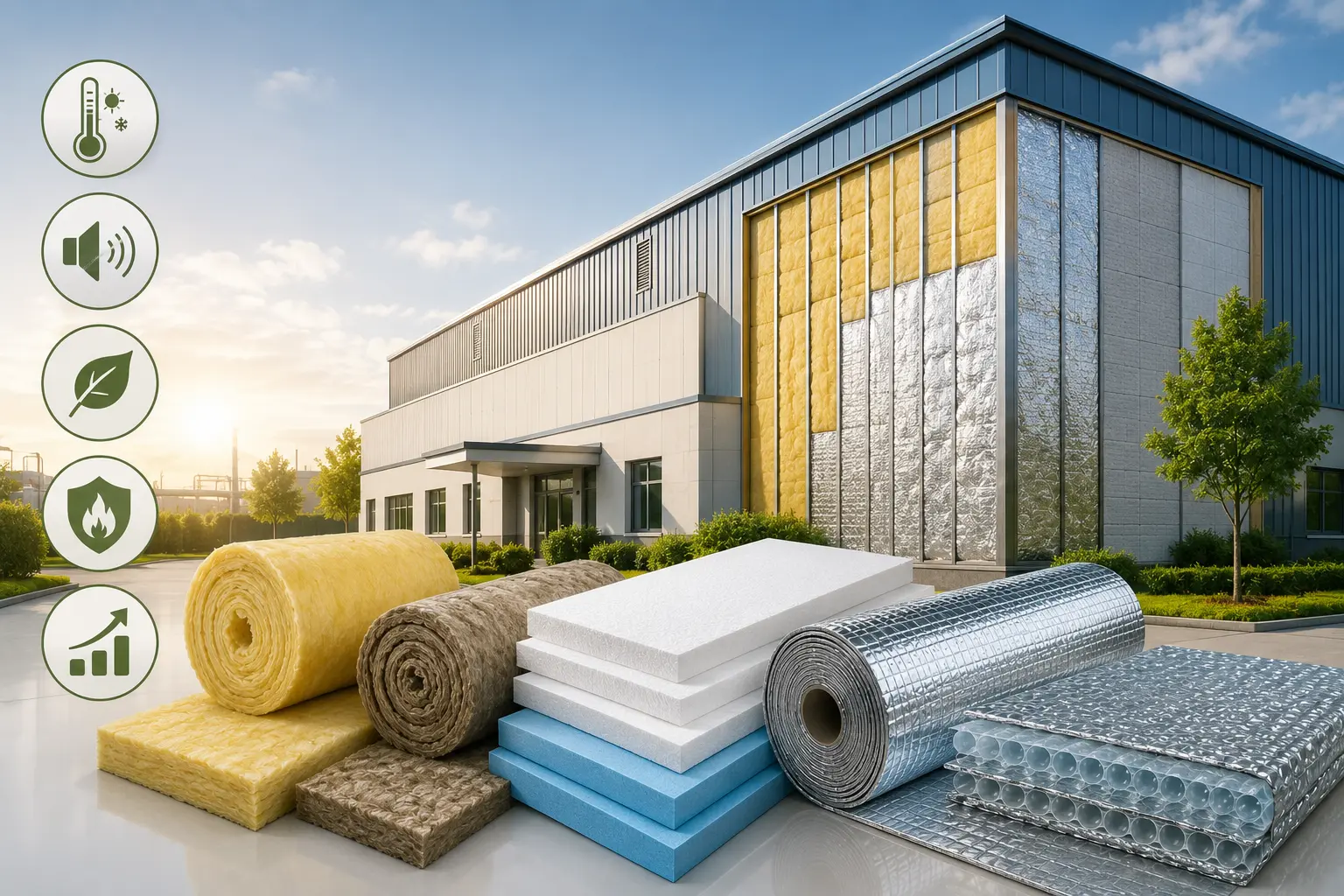
Construction work uses a number of kinds of insulation materials:

img
Building Energy Efficiency

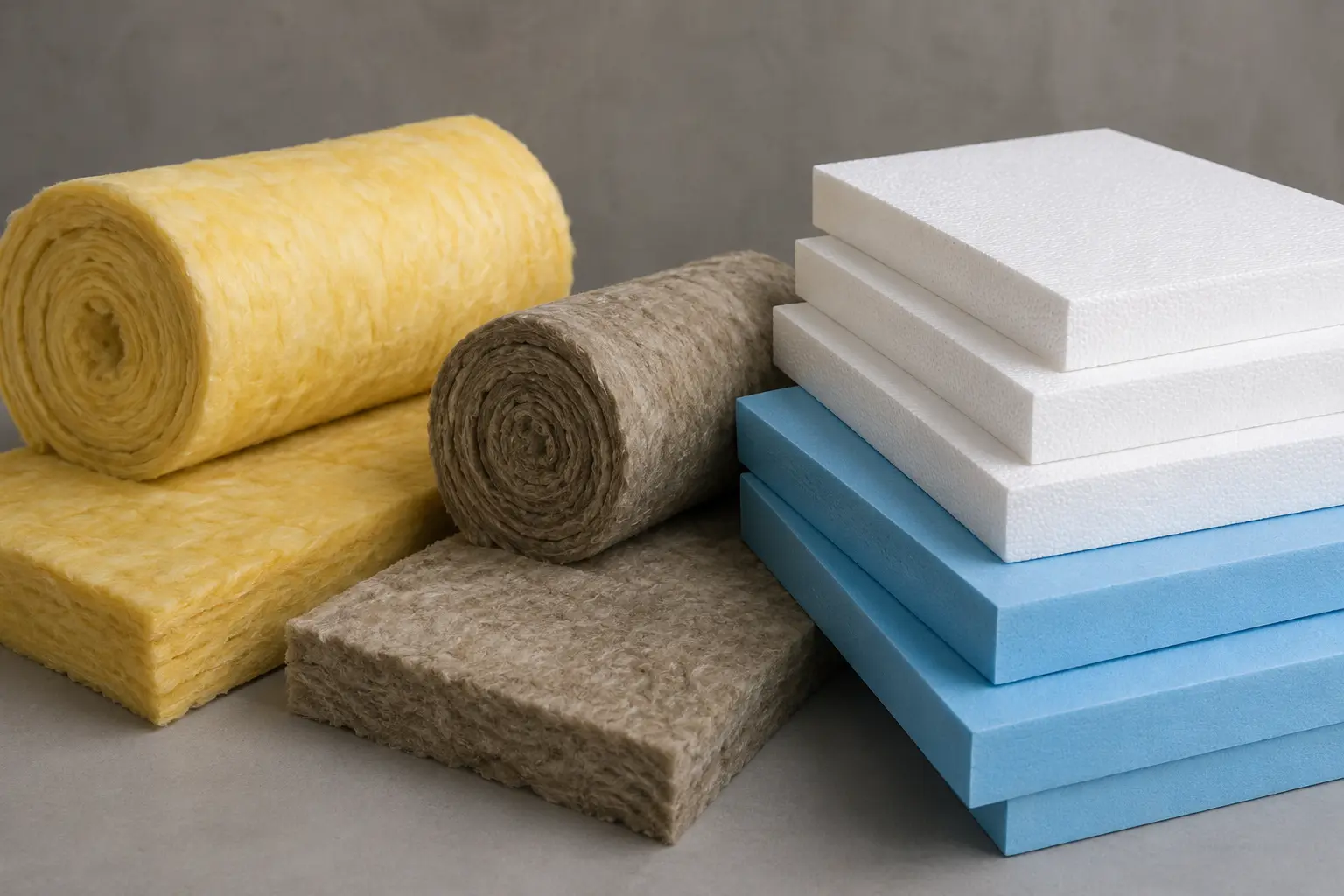
Bulk Insulation (Fibrous & Cellular)

Glass wool / rock wool :Manufactured by spinning of molten glass or basalt rock. Highly efficient acoustic and fire-resistant material; however, it is bulky, absorbs moisture, and difficult to install without PPE.

Polystyrene (EPS/XPS): Foam insulation in form of rigid boards with consistent R-value. Good for floorings and cold storages; however, it is brittle and will degrade when exposed to constant UV or physical stress.

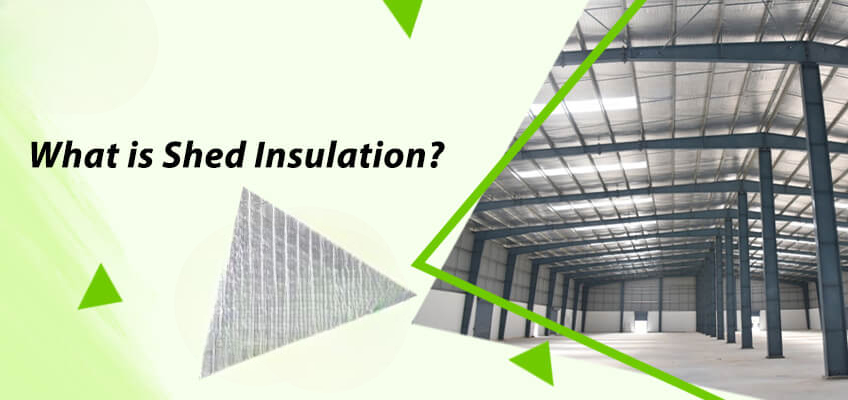
Roof Thermal Insulation

Reflective & Air Bubble Thermal Insulation

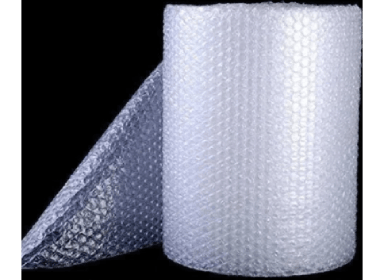
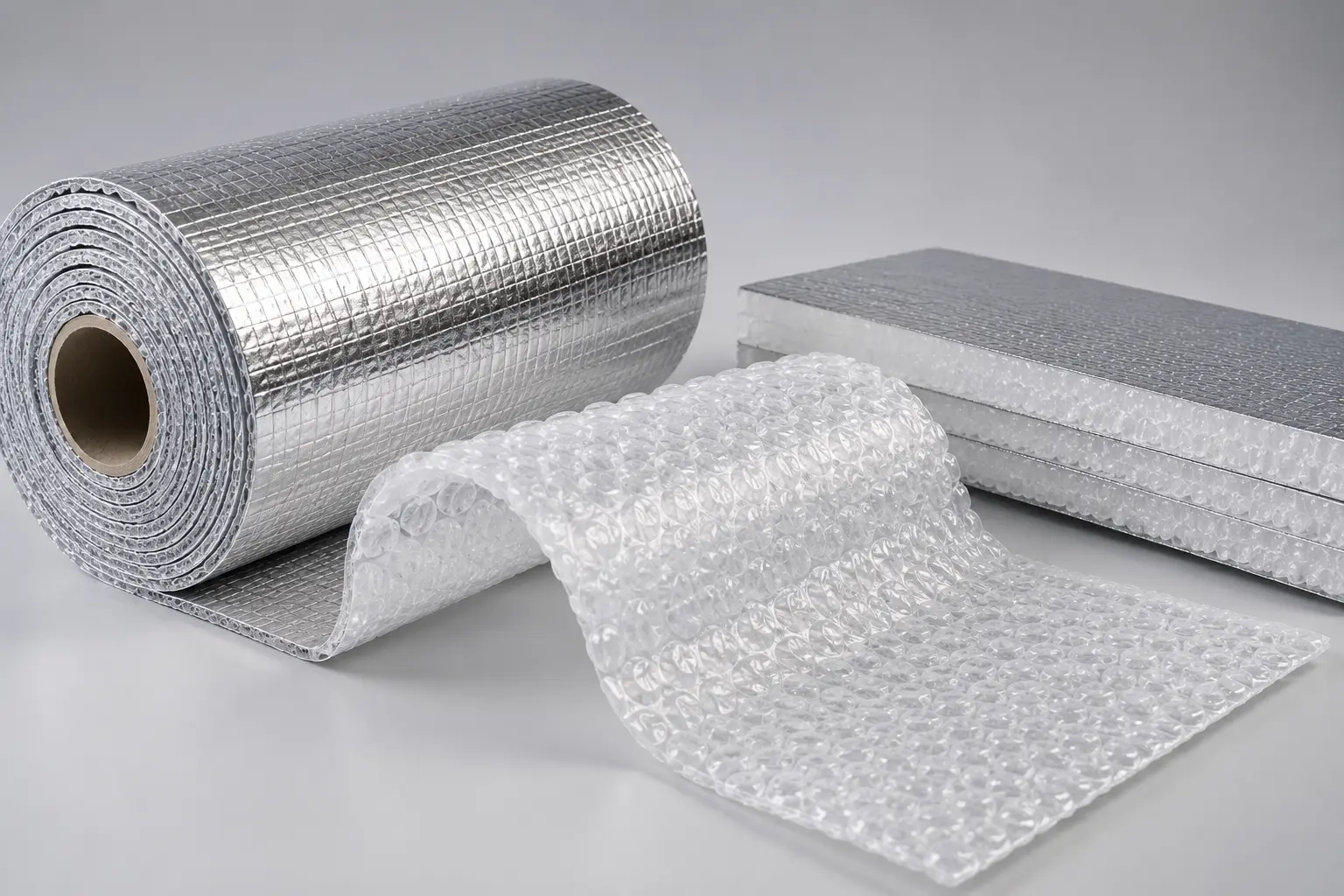
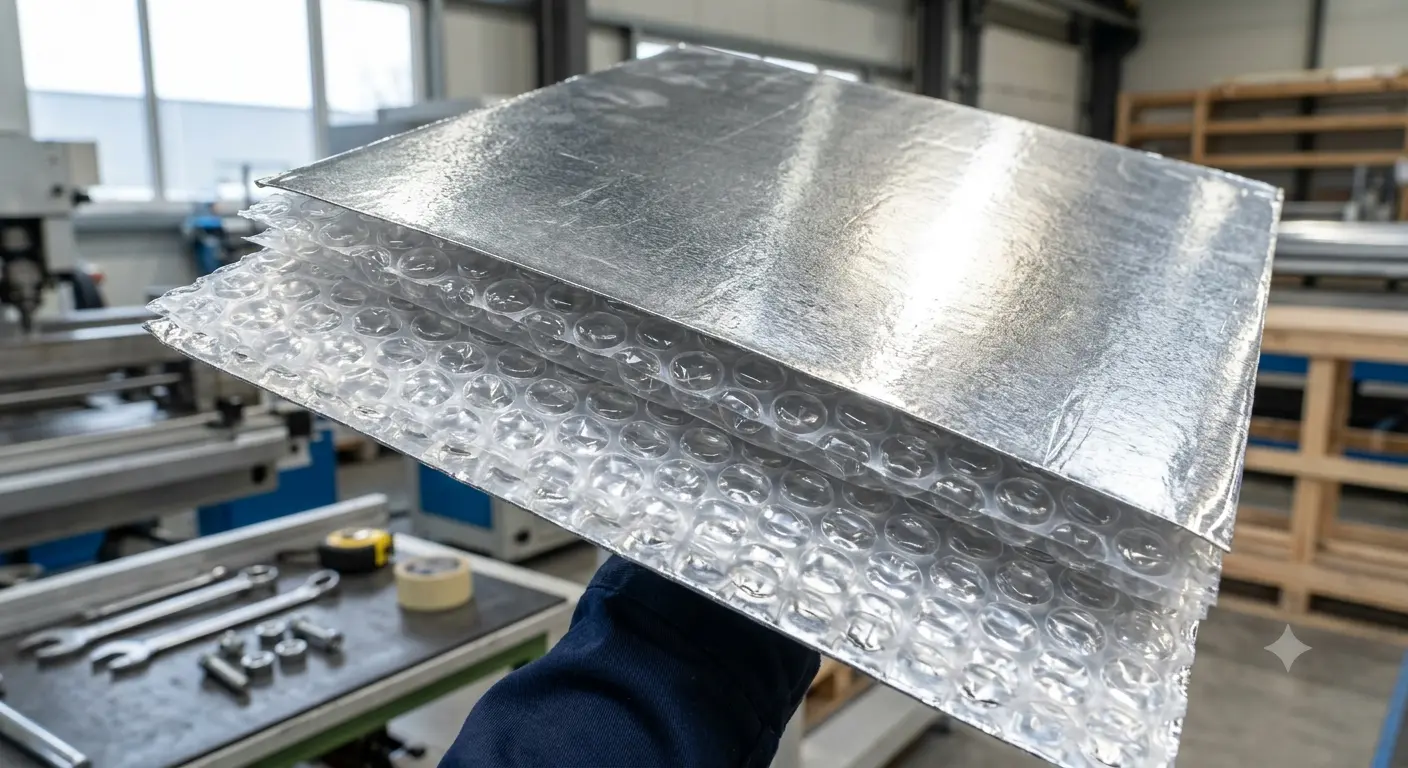
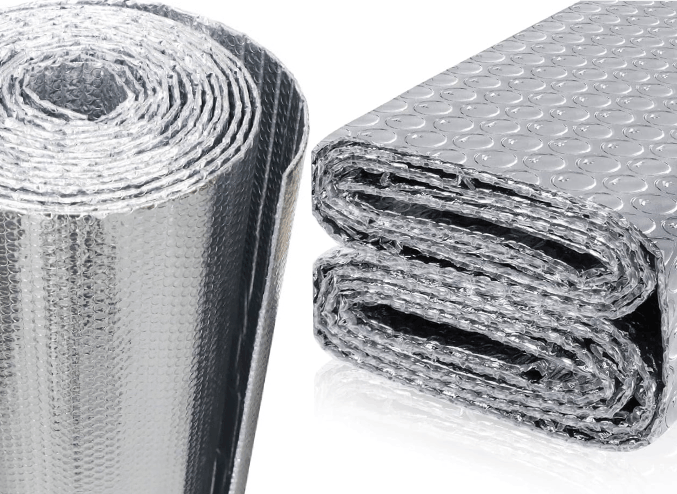
Reflective air bubble insulation: Lightweight and highly-efficient kind of insulation that consists of closed cell polyethylene air bubbles covered with 99.9% pure aluminium foil or high reflectivity METPET materials.

How Does it Work?
The outer layer of pure aluminum foil reflects up to 97% of solar radiation heat while the air bubble layer prevents conduction and convection. That is why reflective bubble insulation is one of the most efficient materials for modern roofs and walls.

Key Properties to Evaluate When Choosing Insulation

Choosing the appropriate material depends on more factors other than cost. Some of the performance criteria include:

Icon

Thermal Resistance (R-Value)

It denotes the ability of a material to provide resistance against thermal conductivity. The higher the R-value, the better insulating capability the material has.

Icon

Reflectivity/Emissivity

Reflectivity shows the amount of radiant heat reflected from the material surface (for instance, Kanpack sheets have 97% reflectivity). Emissivity should be low (3%) so as to ensure heat loss into the interior is minimized.

Icon

Moisture/Fungi Resistance

Materials that absorb moisture lose their insulating property and encourage fungi growth. Air bubble sheets are not affected by moisture. They will not delaminate or develop fungi.

Icon

Fire Safety

Your material should conform to international standards of fire safety, having Class 1 fire-retardant and Class A burning characteristics.

Applications in Modern Construction and Industry

Icon

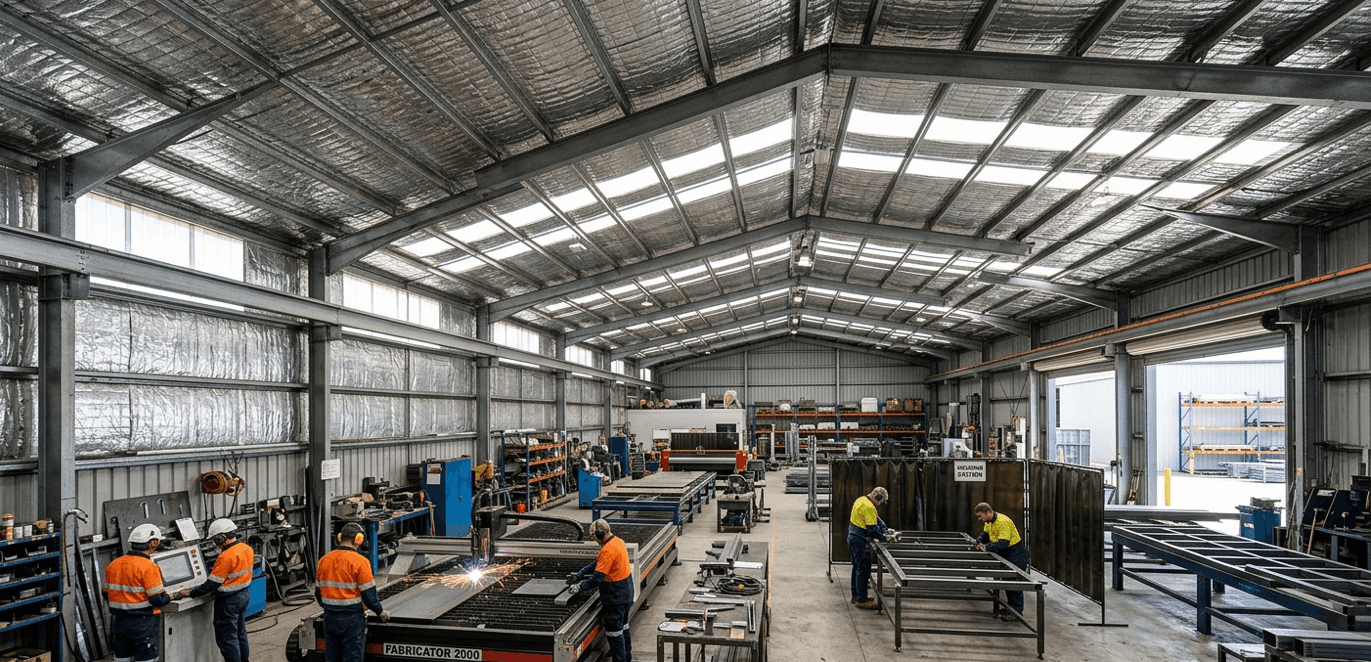
1. Roof & Under-Deck Insulation
(PEBs, Industrial Sheds & Households)

Metal Roofs of warehouses, factories, and household top floors receive excessive solar radiation. Using single layer or double layer of reflective air bubble insulation underneath the metal roof sheeting and concrete slabs will reduce the temperature inside by 5-10 degrees C, which will help reduce the cost of cooling.

bg
Icon

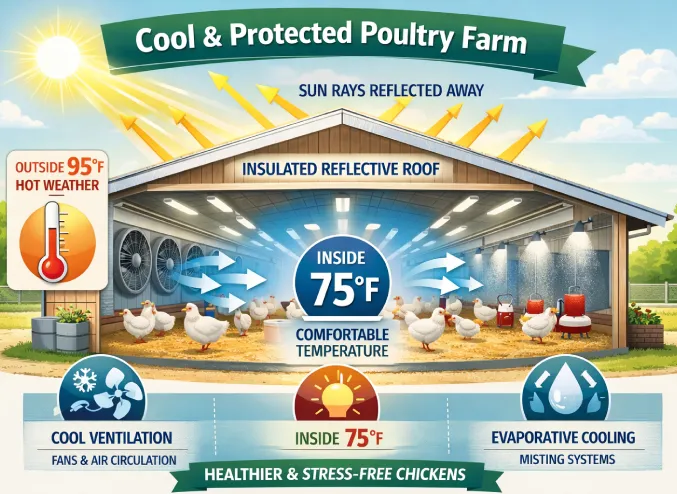
2. Poultry Farm & Agriculture Shelters

Animals are very sensitive to the changes in temperature. Excessive heat slows down their growth process and hampers egg production. Installation of reflective bubble insulation underneath the roof of poultry farm ensures that the livestock remains comfortable in a temperature-controlled environment.

bg
Icon

3. Cold Chain & Logistics Protection

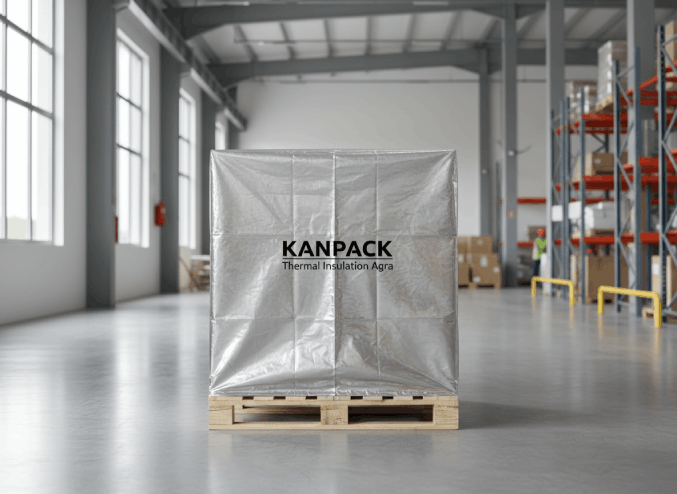
Insulation is not restricted to buildings only. The transportation of heat-sensitive cargo such as pharmaceuticals, FMCG or chemicals needs thermal protection.

bg
Icon

4. Water Tank Temperature Management

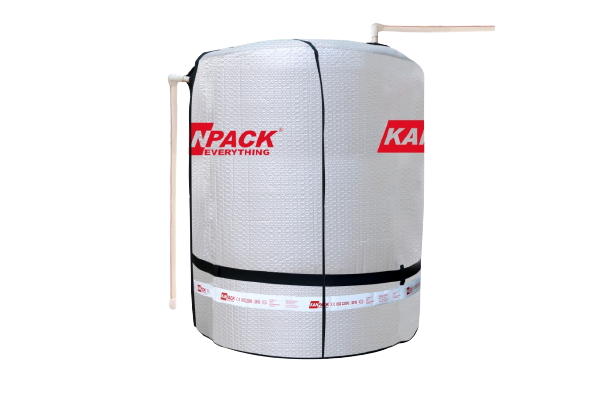
Overhead water tanks become heated quickly during summer months. Water Tank Jackets made with multi-layer bubble reflective insulation ensure that solar radiation does not heat up the water source, ensuring warm water supply throughout the year and improving the life of the tanks.

bg
Icon

5. Floor and Surface Protection During Renovation

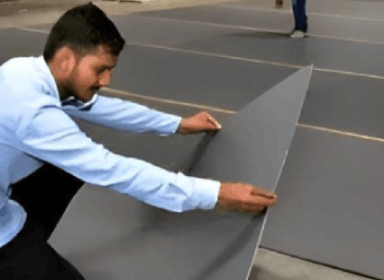
Construction requires protection at all times. Materials such as Bubble Guard offer robust protection for tiles, marbles, and other floors in construction sites.

bg

Comparative Advantage: Traditional vs. Reflective Bubble Insulation

Feature Traditional Fiber Insulation Kanpack Reflective Bubble Insulation
Primary Heat Blocked Conduction & Convection Radiation (97%), Conduction & Convection
Thickness & Weight Thick, heavy, bulky Slim (4mm to 12mm), lightweight, flexible
Moisture Sensitivity Absorbs moisture; degrades over time 100% Water-resistant; no fungal growth
Installation Requires specialized gear & PPE Quick, clean, non-toxic, fabricator-friendly
Maintenance High risk of sagging & wear Maintenance-free throughout lifespan

Upgrade Your Building’s Efficiency with Kanpack Insulations

Here at Kanpack Insulations (Kohinoor Metfoam Pvt. Ltd.), we pride ourselves on providing top-quality thermal insulation sheets, pallet covers, tank jackets, and surface protection guards. Made from 99.9% pure aluminum foil and highly dense air bubble cores, our products offer excellent heat reflectivity, resilience, and fire resistance. Be it while planning a new Pre-Engineered Building (PEB) or insulating your warehouse or your home to improve energy efficiency, we have experts who can help you choose the most suitable thickness for your product (4mm, 6mm, 8mm, or 12mm). Looking forward to creating a cooler, energy-efficient environment? Learn about Kanpack Thermal Insulation Solutions now!


Thermal Insulation Sheet