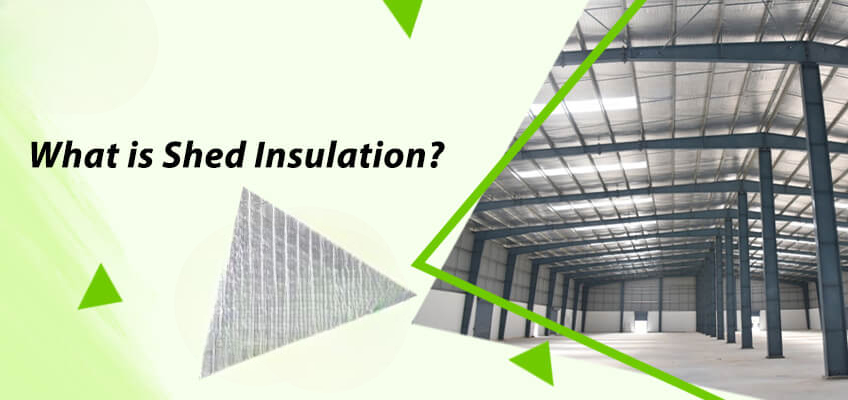
During this time of high priority on energy conservation and climate control in all residential, commercial, and industrial spheres, there have been major advances made in the field of insulating materials. While conventional mass insulating materials such as fiberglass or mineral wool serve the purpose by reducing conduction and convection heat transfer rates, the reflective insulating materials provide a completely new approach – they simply prevent radiant heat transfer.
From reducing expenses on energy consumption in commercial premises to protecting temperature sensitive goods while transporting them or keeping people comfortable under the scorching rays of tropical sunshine, knowledge of reflective insulating materials becomes absolutely necessary.
This informative guide on reflective insulation by Kanpack Insulations will help you to understand more about reflective insulating materials, their types and benefits.
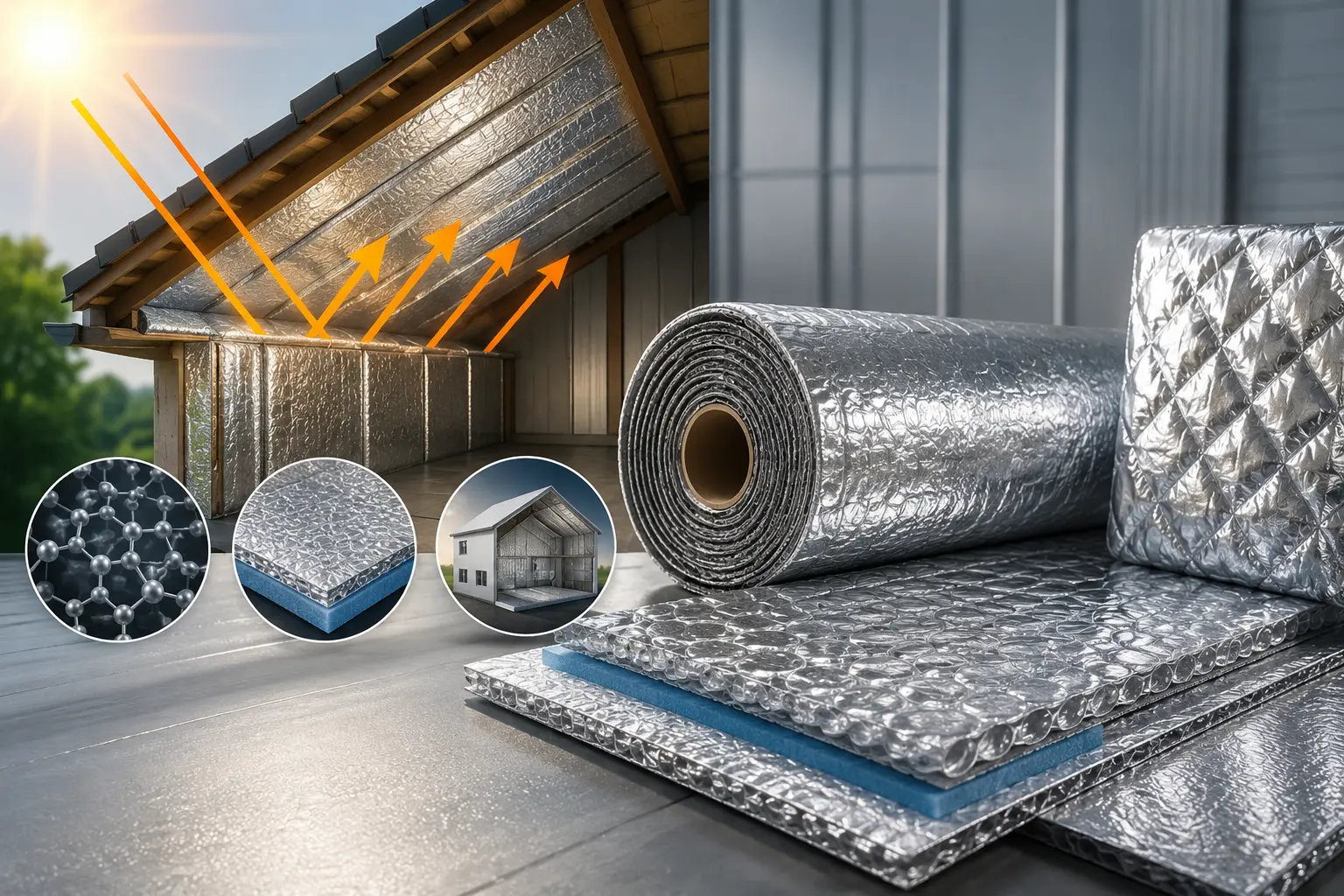
Reflective insulation materials consist of specifically designed surfaces, which are normally pure aluminum foil or metalized polyester film that can reflect heat rather than absorb it.
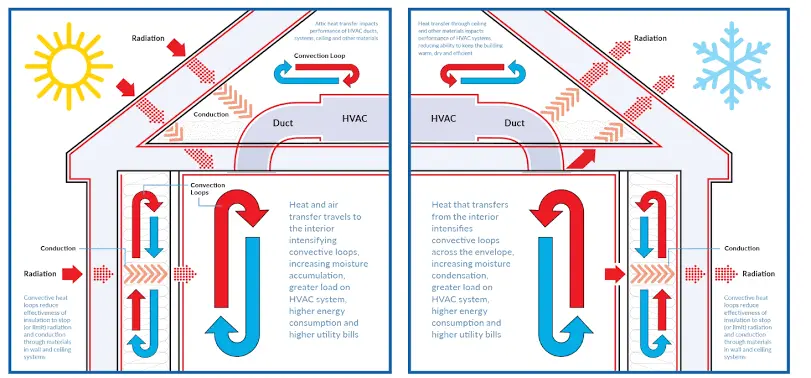
In order to see how reflective insulation materials work, it is important to consider heat transfer through three different modes of heat transfer:
Bulk thermal insulation materials usually target conduction and convection modes of heat transfer. But in summer or hot industrial situations, as much as 80-90% of gain heat enters the structure through radiation.
Reflective thermal insulation materials help to deal with this problem by reflecting up to 95-97% of radiant heat
There are two physical measurements which decide the effectiveness of reflective material:
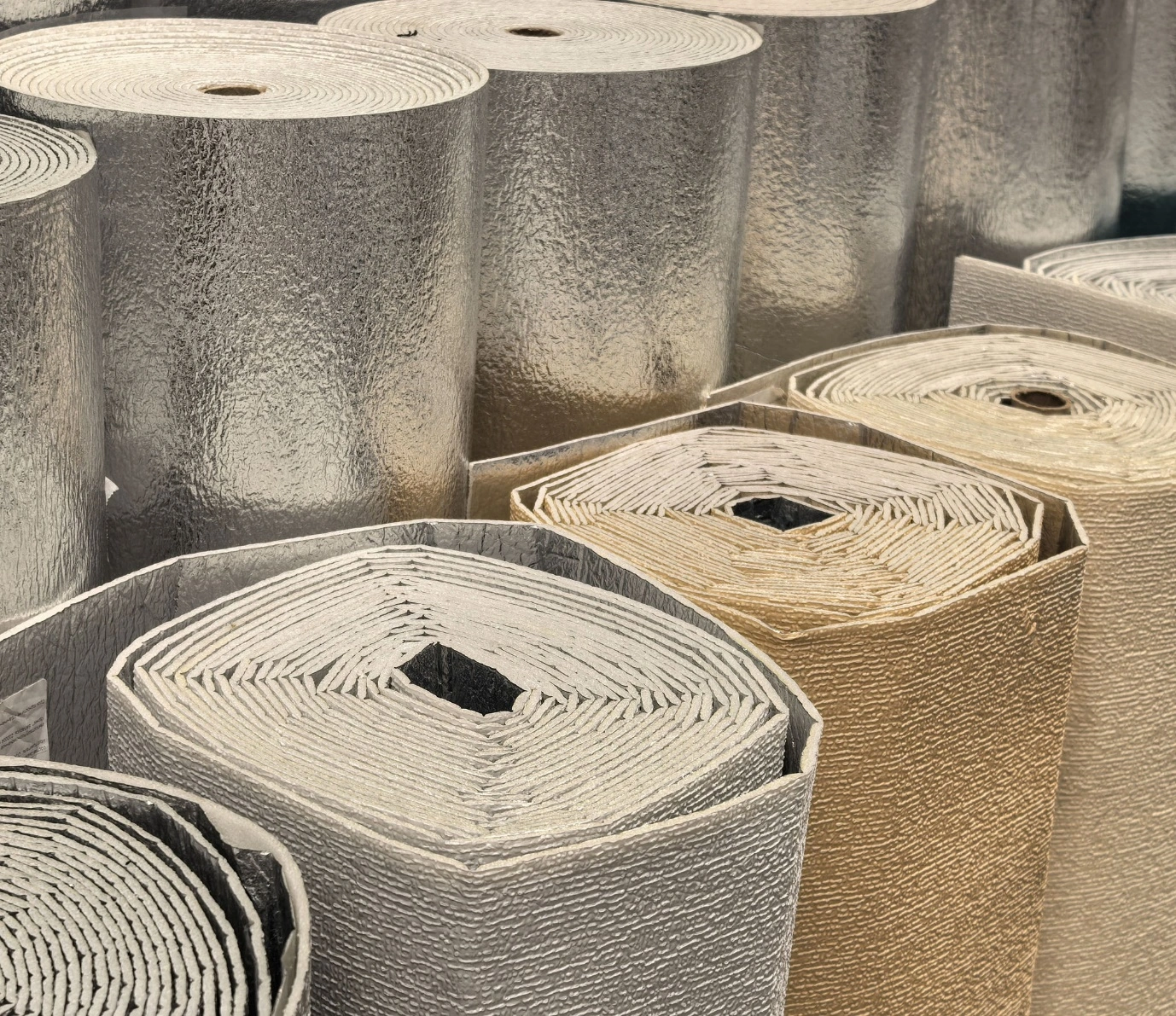
However, not all reflective insulating materials perform equally. At Kanpack Insulations, we use various types of substrate cores with reflective materials depending on their structural, mechanical and thermal requirements:
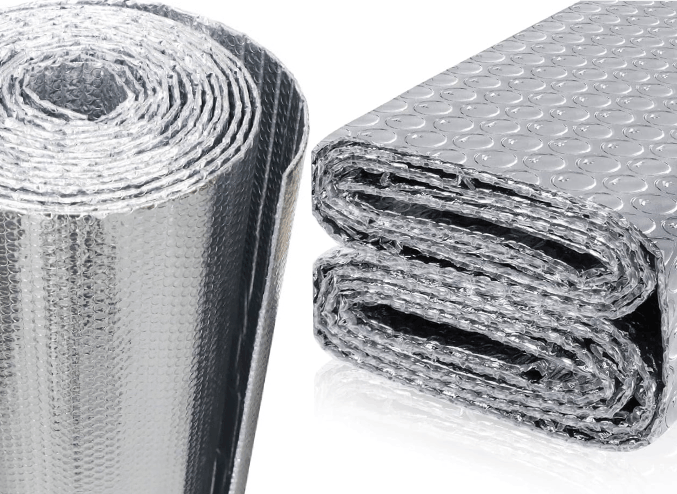
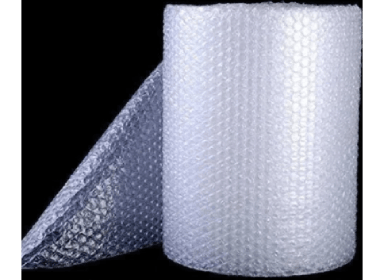
The material consists of one or two layers of highly reflective aluminum foil along with polyethylene air bubble film in between.
How it works :The interior bubble layer provides dead air space, which minimizes conductive heat flow, while the exterior layer reflects radiant heat.
Best used for :Metal roof insulation, duct insulation, farm shed insulation, under-deck ceiling insulation, and thermal packaging.
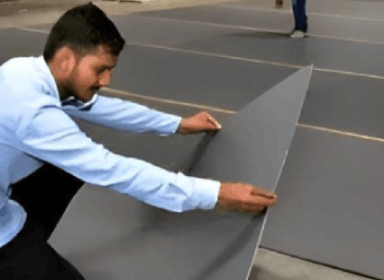
Reinforced radiant barriers are aluminum foil sheets laminated with heavyweight woven polyethylene or Kraft paper to provide tear resistance.
How it works : Maximum tensile strength without extra thickness or weight.
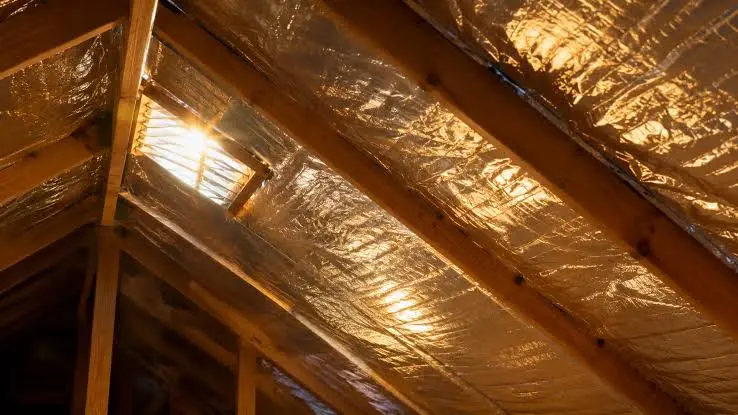
Best used for : Attic rafter insulation, industrial factory roof insulation, pole barn insulation, and sun-exposed wall surfaces.
Consists of pure aluminum foil lamination with Expanded Polyethylene (EPE) or Cross-linked Polyethylene (XPE) closed-cell foam cores.
How it works : High structural stability, vapor barrier, sound damping, and excellent heat resistance to conduction and radiation.
Best used for : HVAC duct insulation, underfloor heating, wall cavity insulation, and robust cold chain insulation boxes.
Designed for logistics and pharmaceutical logistics, these lightweight, flexible pouches or liners consist of reflective films with cushioning.
Best used for : Temperature sensitive goods like food, perishable goods, pharmaceutical goods, and chemicals transportation.
There are various benefits offered when using high quality reflective insulation materials from Kanpack Insulations including:
The reflective material will prevent too much radiative energy from being trapped inside making sure that there are no fluctuations in room temperatures even during the hot afternoon period of the summer.
This will help lower the cooling loads during the hot period by 15% to 30%, resulting in lower energy cost of running the air conditioner or HVAC equipment.
Since most of the reflective materials have non-porous external coating made up of aluminum, it acts as an efficient vapor barrier.
As opposed to fiber insulation materials, reflective insulation rolls are light weight, non-abrasive, non-toxic and free from any airborne fibers. These do not need any special protection while installation.
As reflective insulation reduces HVAC energy use, it also minimizes carbon foot prints. Also, the aluminum layers of quality insulation rolls are recyclable.
Reflective insulation materials are extremely versatile and widely used across multiple sectors:
| Sector / Industry | Primary Application | Key Benefit Provided |
|---|---|---|
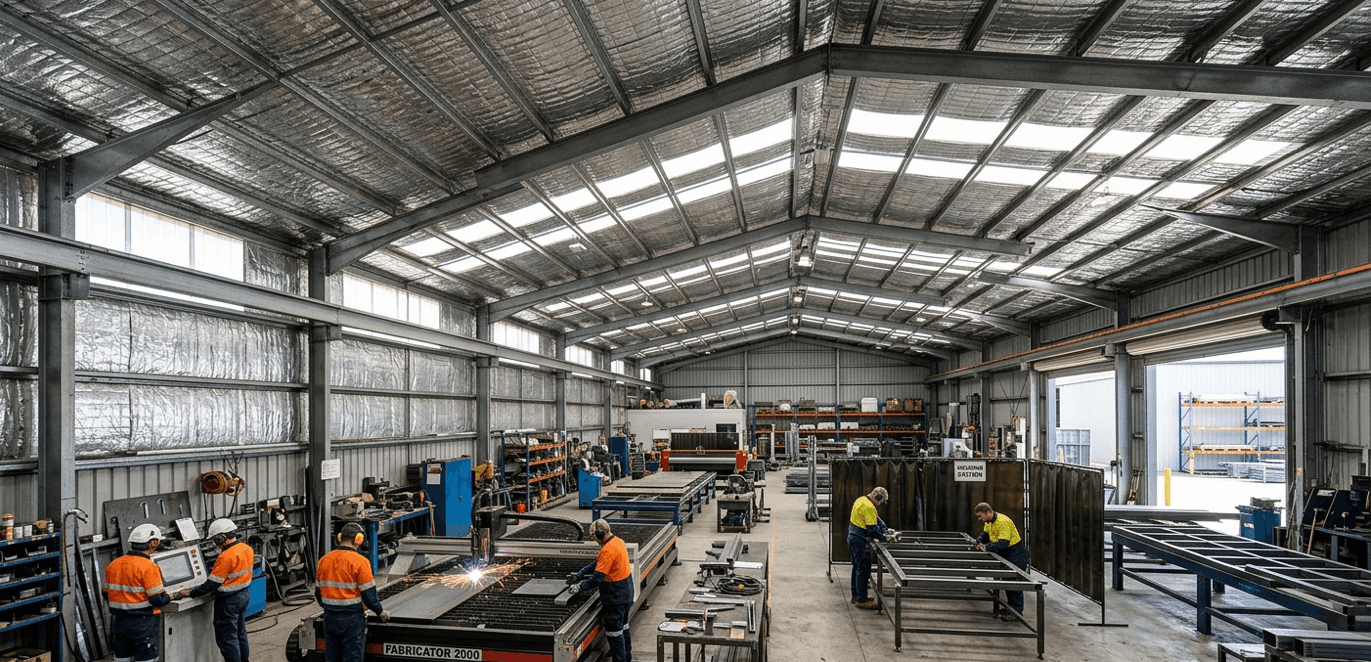
| Industrial Sheds & Factories | Metal roofing & side cladding | Reduces interior ambient temperatures by 5°C to 10°C, boosting worker productivity. |
| HVAC & Ductwork | External duct wrapping | Prevents thermal loss and condensation buildup inside supply air ducts. |
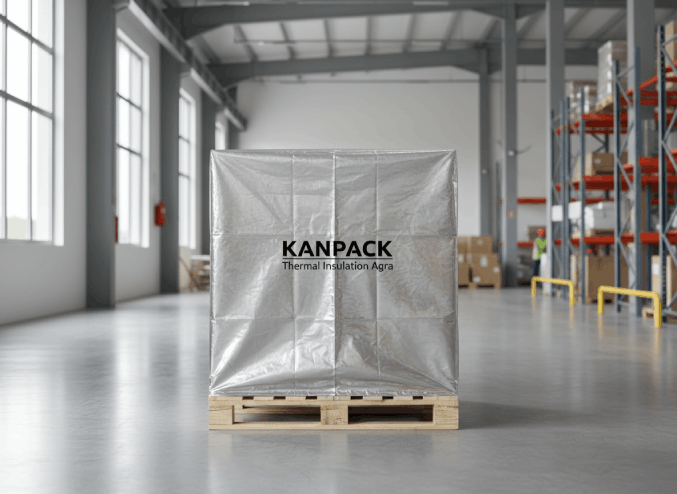
| Cold Chain & Thermal Packaging | Pallet covers, box liners, shipping bag wraps | Maintains strict cold chain temperatures during cargo transport. |
| Residential Roofing & Attics | Rafter installations & under-slates | Blocks summer attic heat buildup from penetrating living spaces below. |
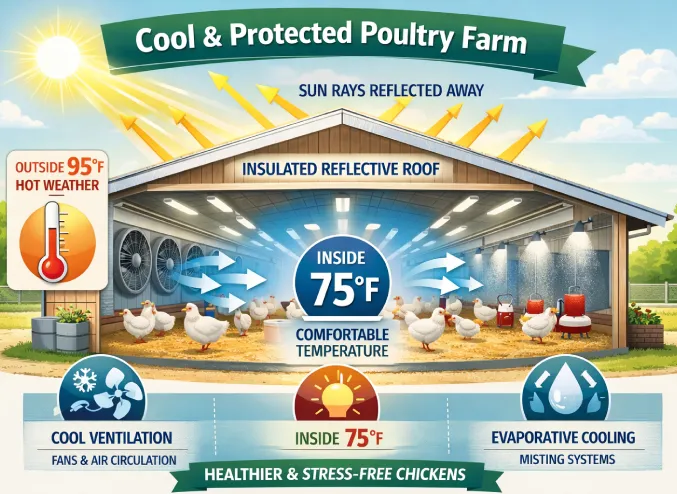
| Agriculture & Livestock | Poultry farm & dairy shed roofing | Prevents heat stress in animals, improving yield and livestock health. |
Choosing the best reflecting materials will depend on the following:
We at Kanpack Insulations manufacture and supply reflective insulating products that comply with international quality standards.
Reflective insulation solutions are among the cheapest, longest-lasting, and most energy-efficient methods of insulation available currently. Addressing heat transfer through radiation, where regular mass insulation fails, reflective insulation solutions ensure that buildings are cool in summer, warm in winter, and the energy bills remain low.
Interested in incorporating high-efficiency reflective insulations in your next construction project, manufacturing plant, or logistics operation? Get in touch with Kanpack Insulations to speak to our insulation experts or ask for samples.